Monograph
Tribulus
Tribulus terrestris
Updated October 10, 2026
Key points
-
01
Not a testosterone booster
Trials in healthy men found no rise in testosterone or LH, and a systematic review called testosterone-boosting marketing claims unsubstantiated.
-
02
Small signals for sexual function
One 180-man trial found a modest ED benefit and small trials in women with low desire were positive, but reviewers rate the evidence low to very low.
-
03
No strength or muscle gains
Trials in athletes, including elite rugby league players, found no extra strength or lean mass, and ODS finds no support for performance claims.
-
04
Rare but serious case reports
Kidney and liver injury, seizures, priapism, and gynecomastia have been reported with tribulus products, usually without testing what the product contained.
-
05
Avoid in pregnancy; check medicines
Animal data raise pregnancy concerns. Tribulus may add to diabetes, blood pressure, and diuretic drugs, and may matter for lithium and clopidogrel.
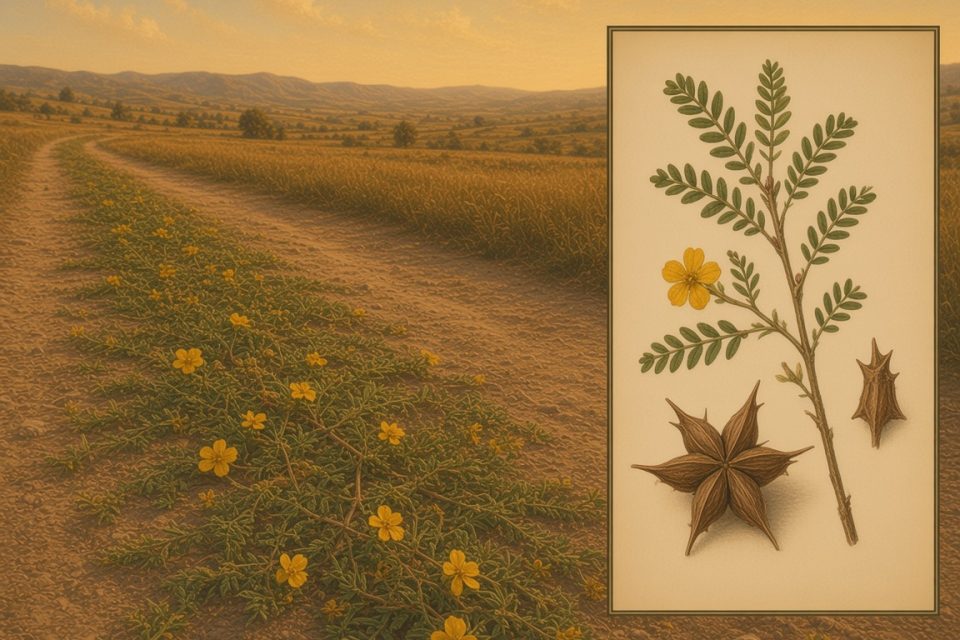
Tribulus is a roadside weed with a second career as a supplement. Tribulus terrestris is a low, sprawling plant of the caltrop family whose hard, spiny burrs, known as goatheads, puncture bicycle tires and bare feet, and more than a dozen US states have declared it a noxious weed. Its fruit has a long medicinal history in Ayurveda, where it is called gokshura, and in Chinese medicine, where it is known as bai ji li or ci ji li, as a tonic, a diuretic, and an aphrodisiac. From the 1970s a Bulgarian extract, Tribestan, was promoted for libido and male fertility, and tribulus gained a reputation in sport during the years when Bulgarian weightlifters dominated their event. Today it is one of the most common ingredients in “testosterone booster” and “male vitality” products. Supplements are made from the leaves, stems, fruit, or root, and the chemistry of each part, and of plants grown in different countries, differs considerably, so two products labeled tribulus may have little in common.
The testosterone story has not held up. In young men, four weeks of tribulus extract left testosterone, androstenedione, and luteinizing hormone unchanged (Neychev and Mitev 2005), and a 2014 systematic review in the Journal of Dietary Supplements found that testosterone rose in people only when tribulus was part of a combination product, concluding that the marketing claims are unsubstantiated. The NIH Office of Dietary Supplements (ODS) says trials found no effect on strength, lean body mass, or sex hormones. The more interesting evidence concerns sexual function. In a 12-week trial of 180 men with mild to moderate erectile dysfunction (ED), the Bulgarian extract improved erection scores modestly more than placebo, though a smaller Brazilian trial found no benefit and a 2025 review rated the ED evidence as low. Several small trials in women with low sexual desire, before and after menopause, reported improvements, but a 2020 systematic review judged their certainty very low. Memorial Sloan Kettering Cancer Center (MSKCC) sums it up: testosterone results are mixed, ED evidence is not definitive, and small studies suggest tribulus may help female sexual dysfunction.
Short trials report few side effects, mostly stomach upset. Operation Supplement Safety (OPSS), the US Department of Defense’s supplement resource, notes sleep problems, fatigue, and a faster heart rate at doses above 1,000 mg a day. Rare but serious case reports describe kidney and liver injury, seizures, and a 72-hour erection that needed surgery, though the products involved were generally not analyzed. Sheep that graze large amounts of the plant can develop liver damage with severe sun sensitivity, called geeldikkop, and a nerve disorder known as tribulus staggers. MSKCC flags possible additive effects with diabetes, blood pressure, and diuretic medicines and advises people with prostate cancer to talk to their doctor first, and animal data make it one to avoid in pregnancy. Nothing here is medical advice; MedlinePlus notes that most erection problems have a physical cause, that ED may be a sign of diabetes or heart disease, and that no herb or supplement has been proven to treat it, so persistent erection problems or a lasting change in desire deserve a clinician’s assessment before a supplement.
Featured in
Herbs for Libido and Sexual HealthIn this monograph
01 The plant
Botanical profile
Tribulus terrestris L. belongs to Zygophyllaceae, the caltrop family, and was published by Linnaeus in Species Plantarum in 1753 (Kew’s Plants of the World Online, POWO). Kew describes it as an annual or biennial native to the Old World, from Portugal, Spain, and North Africa across sub-Saharan Africa, southern and eastern Europe, the Middle East, Central Asia, India, China, Korea, Japan, and Southeast Asia, and lists it as introduced in North and South America, Australia, New Zealand, and many Pacific islands. Sources disagree about Australia: Kew treats Australian populations as introduced, while Washington State’s Noxious Weed Control Board lists Australia among its native regions. The Flora of North America calls it native to the Mediterranean region and now found throughout drier temperate areas of the world, recorded as introduced in more than 40 US states as well as British Columbia and Ontario. Common names describe the burr: puncture vine, goathead, caltrop, tackweed, devil’s thorn, and cat’s-head in English, gokshura in Sanskrit, gokhru in Hindi, and bai ji li in Chinese. Chhatre and colleagues (Pharmacognosy Reviews 2014) explain that go-ksura means cow’s hoof, after the shape of the fruit, and Ștefănescu and colleagues (Biomolecules 2020) trace the genus name to the Greek tribolos, a spiky fruit.
It is a prostrate, mat-forming herb. The Flora of North America describes hairy stems up to 1 m long, green to reddish, and leaves 2–4.5 cm long divided into 6 to 12, occasionally 16, small oval leaflets that are silvery and silky when young. The Washington weed board describes stems radiating from a simple, woody taproot and forming dense mats, with individual stems up to about 6 feet long. The flowers are small, about 5 mm across and occasionally up to 10 mm, with five yellow petals, and sit singly on short stalks at the leaf nodes; UC IPM, the University of California’s pest management program, notes that plants can flower within three weeks of germinating and keep flowering through the summer. The fruit is the plant’s signature: a woody, roughly five-angled burr about 1–1.5 cm across that splits at maturity into five wedge-shaped segments, each armed with a pair of stout spines 3–7 mm long and sometimes a smaller pair near the base. Some say each segment resembles a goat’s head. The segments lodge in tires, shoes, and animal feet, which is how the plant travels. A single plant usually produces 200 to 5,000 seeds, which can stay viable in the soil for up to five years (UC IPM).
Those spines make it a serious weed. The Flora of North America records that Arizona, California, Colorado, Hawaii, Idaho, Iowa, Michigan, Nebraska, Nevada, North Carolina, Oregon, Washington, and Wyoming have declared it a noxious weed; Washington has listed it as a Class B noxious weed since 1988 and also bans its sale. After about 50 years of unsuccessful chemical control, California imported two weevils from India in 1961 to eat its seeds and stems, with cyclical success. Chemically, tribulus is best known for steroidal saponins, plant compounds built on a steroid skeleton, notably protodioscin (PubChem CID 441891, C51H84O22), along with flavonoids such as rutin and beta-carboline alkaloids such as harmane. Composition varies widely. Dinchev and colleagues (Phytochemistry 2008) compared plants from Bulgaria, Greece, Serbia, Macedonia, Turkey, Georgia, Iran, Vietnam, and India. The southeast European and west Asian samples shared a profile dominated by protodioscin and prototribestin, while the Indian and Vietnamese samples lacked prototribestin and tribestin, contained large amounts of tribulosin, and appeared to belong to different chemotypes. Content also varied by plant part and stage of growth.
02 Lineage
History
Tribulus has been used for centuries in the traditional medicine of India and China. Chhatre and colleagues (Pharmacognosy Reviews 2014) describe gokshura in Ayurveda as nourishing, aphrodisiac, a remover of urinary stones, and a remedy for bladder ailments, used for impotence, sexual debility, and genitourinary disorders, and as a key ingredient of Gokshuradi guggulu, a formula used to support the urinary tract and clear stones. They note that the Ayurvedic Pharmacopoeia of India also attributes heart-tonic properties to the root and fruit. In traditional Chinese medicine, the same authors record use of the fruit for eye trouble, edema, abdominal distension, involuntary emission of semen, abnormal vaginal discharge, and sexual dysfunction, and describe it as a valued drug in the Shennong pharmacopoeia, which they call the oldest known pharmacological work in China. In Unani medicine it served as a diuretic, mild laxative, and general tonic. MSKCC adds chest pain, heart problems, dizziness, skin disorders, and the expulsion of kidney stones to its traditional uses. The dried fruit has official monographs in the pharmacopoeias of China, Japan, and Korea and in the Siddha Pharmacopoeia of India (Ștefănescu and colleagues 2020).
The modern supplement story begins in Bulgaria. Pokrywka and colleagues (Journal of Human Kinetics 2014) write that the first scientific reports of benefit came from Bulgarian pharmaceutical researchers, who claimed that tribulus extracts increased libido, blood testosterone, and sperm production, and that a preparation named Tribestan was used in Bulgaria from the 1970s. The product’s reputation in sport grew alongside Bulgarian weightlifting, and it was suggested that Bulgarian athletes owed part of their performance to it. Pokrywka and colleagues add a pointed caveat: that was a time when Bulgarian weightlifters were world champions until more accurate anti-doping tests revealed their use of anabolic-androgenic steroids, so tribulus cannot be credited with their medals. Tribestan, made by the Bulgarian company Sopharma at the time of a 2017 trial, contains 250 mg per tablet of a concentrated extract of the plant’s aerial parts standardized to at least 112.5 mg of furostanol saponins (Kamenov and colleagues 2017). Qureshi and colleagues (2014) note that tribulus is now widely used by athletes and bodybuilders on the strength of marketing claims that it raises testosterone, and the Flora of North America observes that extracts of this troublesome weed are sold online to treat male infertility and build muscle.
In much of the West the plant was known first as a nuisance. Its common name, caltrop, is shared with an old military device, four metal spikes arranged so that whichever way it lands one spike points upward, used to stop hooves and tires (UC IPM); the burrs behave in much the same way, puncturing bicycle tires and shoe soles and injuring livestock, people, and pets. Ranchers also learned that it poisons sheep, and veterinary reports from South Africa, Australia, Argentina, and California describe outbreaks of liver damage and sun sensitivity in grazing flocks. As a supplement in the United States, tribulus has not been reviewed by the Food and Drug Administration (FDA) for safety or effectiveness and cannot be marketed to treat or cure a disease, as WebMD notes. It is not on the Department of Defense list of prohibited supplement ingredients, and OPSS says it should not cause a positive result on a routine military drug test. The Australian Institute of Sport, however, advises athletes against tribulus because it and other claimed testosterone boosters are banned or carry a high risk of contamination with substances that can cause a positive doping test (ODS).
03 Chemistry
Active compounds and how it works
Tribulus is marketed on the idea that its saponins, especially protodioscin, raise testosterone, either directly or by increasing luteinizing hormone (LH), the pituitary signal that tells the testes to make testosterone. Some animal work points that way: MSKCC cites a study in primates, rabbits, and rats in which protodioscin was linked to increases in some sex hormones, and a rat study in which tribulus increased sperm production. Human studies do not bear it out. Neychev and Mitev (Journal of Ethnopharmacology 2005) gave 21 healthy men aged 20 to 36 placebo or 10 or 20 mg/kg of extract a day for four weeks and found no difference in testosterone, androstenedione, or LH. Qureshi and colleagues (Journal of Dietary Supplements 2014) reviewed 11 studies and found that testosterone rose in humans only when tribulus was combined with other ingredients. In a 2025 review in Nutrients, Vilar Neto and colleagues found no change in androgens in 8 of 10 studies; the two exceptions involved men with low testosterone and showed rises of only about 60–70 ng/dL. In 2016 Neychev and Mitev concluded that the long-held view of tribulus as an androgen enhancer was outdated.
If tribulus helps sexual function, other mechanisms look more plausible. Laboratory and animal studies suggest that tribulus extracts relax the spongy erectile tissue of the penis, the corpus cavernosum, through the blood vessel lining and nitric oxide, the same signaling pathway that drugs such as sildenafil amplify (MSKCC; Neychev and Mitev 2016). Qureshi and colleagues suggested that this nitric oxide effect could explain responses to tribulus independent of testosterone. Another proposal is that protodioscin is converted in the body to dehydroepiandrosterone (DHEA), a weak precursor of sex hormones. Findings in women point in different directions. In an uncontrolled review of hospital records for 120 women given tribulus for sexual dysfunction, Gama and colleagues (Clinical Medicine Insights: Women’s Health 2014) found that DHEA rose while total and free testosterone fell. By contrast, two small Brazilian placebo-controlled trials reported rises in free and bioavailable testosterone in postmenopausal and premenopausal women (de Souza and colleagues 2016; Vale and colleagues 2018). These studies are small and inconsistent, and none of the proposed mechanisms has been confirmed in well-designed human research.
Tribulus has other laboratory effects that matter mostly for safety. MSKCC summarizes animal studies in which extracts lowered blood pressure by relaxing arterial muscle, releasing nitric oxide, and inhibiting angiotensin-converting enzyme (ACE), the target of common blood pressure drugs; lowered blood sugar and glycated hemoglobin in diabetic rats; and increased urine output. In the test tube, its saponins inhibited platelet clumping, and saponins and phenolic compounds inhibited P-glycoprotein, a transporter that pumps many medicines out of cells. The plant also contains beta-carboline alkaloids, including harmane and norharmane, which researchers led by Bourke have proposed as possible neurotoxins behind a movement disorder in sheep; Ștefănescu and colleagues note that these alkaloids inhibit monoamine oxidase and suggest caution with MAO-inhibitor antidepressants if the effect holds in people, which has not been tested. In sheep, the steroidal saponins themselves appear to drive liver injury: Kellerman and colleagues (Onderstepoort Journal of Veterinary Research 1991) induced geeldikkop, a liver disease with sun sensitivity, by dosing sheep with crude saponins from tribulus. MSKCC notes that the steroidal compound diosgenin is thought to be responsible for the liver toxicity associated with tribulus.
04 In practice
Common uses
Raising testosterone and building muscle are tribulus’s biggest markets, and the evidence for both is consistently negative. ODS reviews the trials in its fact sheet on supplements for exercise and athletic performance. Besides the 2005 study in young men, 15 resistance-trained men taking 3.21 mg/kg a day for eight weeks gained no more bench press, leg press, or muscle mass than those on placebo, and in Rogerson and colleagues’ 2007 trial, 22 elite Australian rugby league players taking 450 mg a day during five weeks of preseason training gained strength and lean mass equally with or without tribulus. ODS concludes that the published literature provides no support for its efficacy in enhancing exercise performance. A 2022 systematic review of seven studies in physically active men (Fernández-Lázaro and colleagues) found no clear evidence of benefit on muscle damage markers or hormones, and OPSS notes that small studies in rugby players and CrossFit athletes showed no significant improvement in body composition, strength, or exercise performance. Vilar Neto and colleagues (2025) concluded that there is no robust evidence that tribulus raises testosterone, and WebMD advises anyone worried about their testosterone to ask a clinician about testing and treatment.
Erectile dysfunction has the largest trial in men. Kamenov and colleagues (Maturitas 2017) randomized 180 men aged 18 to 65 with mild or moderate ED, including some with high blood pressure, diabetes, or metabolic syndrome, to Tribestan, two 250 mg tablets three times a day, or placebo for 12 weeks; 86 in each group finished. Scores on the International Index of Erectile Function (IIEF) improved more with tribulus, by 2.7 points over placebo on average, and intercourse satisfaction, orgasm, desire, and overall satisfaction scores also favored it, with no difference in side effects. Not every trial agrees. Santos and colleagues (Actas Urológicas Españolas 2014) gave 30 men aged 40 and over 800 mg a day or placebo for 30 days and found no difference in erectile function or testosterone. Borrelli and colleagues (Drugs 2018) counted two tribulus ED trials with 202 men and called the results mixed; Vilar Neto and colleagues found improvement in 3 of 5 studies that measured erectile function but rated the evidence low; and a 2026 meta-analysis of herbal supplements for ED by Ho and colleagues judged the evidence for tribulus insufficient. MSKCC calls the ED data mixed and not definitive.
Low sexual desire in women is where tribulus looks most promising, though the trials are small. Akhtari and colleagues (DARU 2014) randomized 67 premenopausal women with hypoactive sexual desire disorder (HSDD), persistently low desire that causes distress, to tribulus extract or placebo for four weeks. Among the 60 who finished, the tribulus group improved more in total Female Sexual Function Index (FSFI) score and in the desire, arousal, lubrication, satisfaction, and pain domains, with similar rates of side effects. In Brazil, de Souza and colleagues (Menopause 2016) gave 45 postmenopausal women with low libido 750 mg a day or placebo for 120 days, and 36 finished. FSFI scores improved in both groups, with lubrication improving only on tribulus, while a second questionnaire showed gains in desire, arousal, pain, and orgasm only in the tribulus group. The same research group reported similar results in 40 premenopausal women (Vale and colleagues, Gynecological Endocrinology 2018). Separately, Postigo and colleagues (2016) found better desire, arousal, and comfort during intercourse, but no difference in orgasm or satisfaction, among 60 postmenopausal women after 90 days.
Reviews temper the enthusiasm. Martimbianco and colleagues (Revista Brasileira de Ginecologia e Obstetrícia 2020) found five randomized trials with 279 women: sexual function scores rose after one to three months on tribulus, but the trials were too different to combine, no serious adverse events were reported, and the certainty of the evidence was very low, meaning future studies are likely to change the picture. Sha’ari and colleagues (Phytomedicine 2021) did pool trials and found a sizable improvement over placebo in overall female sexual function, desire, arousal, and orgasm, describing the evidence as preliminary. Several of the positive trials come from a single Brazilian group, products and doses differ, and none lasted more than four months. OPSS agrees that some trials suggest benefit for women with low libido or HSDD but that larger studies are needed, and MSKCC describes the female data as small studies that need large-scale confirmation. None of the trials tested tribulus against an approved treatment, and none addressed hot flashes or other menopause symptoms, so the postmenopausal studies concern desire specifically.
Outside sexual health, single trials hint at metabolic effects. Samani and colleagues (Journal of Evidence-Based Complementary and Alternative Medicine 2016) gave 98 women with type 2 diabetes 1,000 mg of tribulus extract a day or placebo for three months; blood sugar and total and LDL cholesterol fell more with tribulus, which the authors called a preliminary result. In a trial at India’s National Institute of Unani Medicine, Siddiqui and colleagues (Journal of Complementary and Integrative Medicine 2021) gave people with prehypertension, blood pressure above normal but below the threshold for hypertension, 6 g of powdered dried fruit a day or placebo for two months; blood pressure fell by an average of 7.7/5.5 mmHg on tribulus versus 1.9/0.2 mmHg on placebo. Neither finding has been confirmed by independent trials, and neither makes tribulus a substitute for diabetes or blood pressure treatment. Its traditional use for kidney stones rests on laboratory work showing that extracts limit the formation of calcium oxalate and calcium phosphate crystals and on diuretic effects in animals; MSKCC notes that these effects have not been studied in humans.
05 The apothecary
Preparations and traditional use
Tribulus is sold as capsules and tablets of dried extract, as powders, and as one ingredient among many in testosterone, “male vitality,” and pre-workout formulas. Products may be made from the fruit, the root, or the aerial parts (leaves, stems, and fruit), and WebMD notes that each part contains different chemicals, so it is worth checking which part a label names. Many products state a percentage of saponins, but because the saponin mix varies with geography and plant part (Dinchev and colleagues 2008), a headline percentage does not say which saponins are present. The best-studied product, Tribestan, is an extract of the aerial parts concentrated 35 to 45 times and standardized to at least 112.5 mg of furostanol saponins in each 250 mg tablet; the 2017 ED trial used two tablets three times a day, or 1,500 mg daily. Other trials in men used about 400 to 800 mg a day for one to three months (Vilar Neto and colleagues 2025; Santos and colleagues 2014), the postmenopausal desire trial used 750 mg a day, and the diabetes trial 1,000 mg a day. OPSS notes reports of sleep problems and a faster heart rate above 1,000 mg a day.
Traditional preparations center on the dried fruit. Chhatre and colleagues give Ayurvedic doses of 3–6 g of powdered fruit, or 20–30 g of fruit or root boiled into a decoction, and gokshura appears in compound formulas such as Gokshuradi guggulu, Gokshuradi kwatha, and Dashamoola kwatha. The Unani prehypertension trial used 6 g of powdered dried fruit a day, taken in three divided doses. These traditional preparations have not been compared with modern extracts in trials, and a Bulgarian aerial-parts extract, an Indian fruit powder, and a root decoction should be treated as different products. Some traditional uses have no place in self-care: RxList, republishing the Natural Medicines database, records that the plant has been used to cause abortion, which is one reason it should be avoided in pregnancy. Whole burrs are a physical hazard rather than a remedy, and RxList advises against eating the spiny fruit.
Practical points: if you choose to try tribulus, pick a single-ingredient product that names the plant part and the amount of extract, ideally with a third-party certification seal, as OPSS recommends. Be wary of “testosterone booster” and “male enhancement” blends. Pokrywka and colleagues describe tribulus products found to contain anabolic steroids and prohormones that were not listed on the label, and WebMD warns that products marketed for sexual or physical performance have been found to contain prescription medicines or harmful chemicals. Competitive athletes should know that pure tribulus did not change urinary testosterone markers in the rugby trial or in a short Swiss doping-control study (Saudan and colleagues 2008), but a contaminated product can still cause a positive test, and the Australian Institute of Sport advises against it. If you want to see whether it helps, give it a defined trial period, such as the 12 weeks used in the largest ED trial, and stop if nothing changes. Stop at once and seek care for yellowing skin or eyes, dark urine, sharply reduced urination, a seizure, or an erection that will not go down.
Safety
Before you use tribulus
06 Caution
Side effects
In clinical trials lasting up to about four months, tribulus has usually been well tolerated. OPSS notes that short-term studies have reported few adverse effects, such as stomach cramps and nausea, and that sleep disturbances, exhaustion, fatigue, and a raised heart rate have been reported at doses above 1,000 mg a day. MSKCC lists gastrointestinal irritation, including irritation of the stomach lining and reflux. In the 180-man ED trial, adverse events were no more common than with placebo and there were no drug-related serious events, and in the 60-woman premenopausal trial side effects occurred at similar rates in both groups. In the postmenopausal trial, three women in each group withdrew because of side effects, a reminder that placebo groups report side effects too. Martimbianco and colleagues found no serious adverse events reported across five trials in women. WebMD lists nausea, sleep changes, tiredness, and upset stomach or cramps as the most common effects, and notes that allergic reactions, though uncommon, can be serious. Trials have been short and mostly small, so long-term safety is unknown.
Rare but serious reactions have been reported, mostly in young and middle-aged men, and usually without analysis of the product taken. Talasaz and colleagues (Nephrology Dialysis Transplantation 2010) described a 28-year-old Iranian man who drank tribulus water to prevent kidney stones, about 2 liters a day for two days according to ODS, and developed seizures, very high liver enzymes, and kidney injury, which improved after he stopped; ODS notes that the water was never tested for tribulus or contaminants. Ryan and colleagues (Clinical Nephrology 2015) reported a healthy 30-year-old bodybuilder who took tribulus tablets for a few months and developed severe jaundice followed by acute kidney failure, with bile-stained casts in his kidney tubules. Mohy-Ud-Din and Jonassaint (ACG Case Reports Journal 2024) described a 46-year-old man who took tribulus daily for two months and developed a bilirubin of 48 mg/dL with kidney dysfunction; a liver biopsy showed drug-induced liver injury, and he recovered after plasmapheresis. Even so, LiverTox, the NIH’s database on drug-induced liver injury, states that tribulus extracts have not been convincingly linked to clinically apparent liver injury at typical doses.
Two other reports involve the very functions tribulus is sold for. Campanelli and colleagues (International Journal of Impotence Research 2016) described a 36-year-old man who developed priapism, a prolonged and painful erection, lasting 72 hours after taking a tribulus supplement; he needed a surgical shunt and was left with worse sexual function afterward. Ștefănescu and colleagues point out that the supplement was not analyzed, so contamination cannot be ruled out. Jameel and colleagues (The Breast 2004) reported a young weight trainer who developed gynecomastia, enlarged breast tissue in a man, after taking a tribulus tablet as a steroid alternative for bodybuilding. Single case reports cannot prove that tribulus caused these problems, and none of the controlled trials reported them, but they are a reason to stop and seek care if unexpected symptoms appear. MSKCC records significant rises in liver enzymes and creatinine, a marker of kidney function, among the laboratory abnormalities in these cases, so anyone taking tribulus who has routine blood tests should mention it.
Tribulus is plainly toxic to grazing animals. UC IPM describes sheep that eat it becoming sensitive to light, with skin lesions and swelling of the ears and lips, and in severe cases blindness, skin necrosis, loss of lips and ears, and death in young animals. The Flora of North America notes that this disease, known as geeldikkop or bighead, has occurred in the United States, Africa, and Australia, and veterinary reports document outbreaks in sheep in California and Argentina. Kellerman and colleagues reproduced it by dosing sheep with crude tribulus saponins, and experimental feeding in Iran caused heart, liver, and kidney damage in sheep and goats whose diet was 80% fresh plant (Pokrywka and colleagues, citing Aslani). Australian sheep can also develop tribulus staggers, an irreversible, asymmetrical movement disorder that has been linked to the plant’s alkaloids and, in Bourke’s 2012 work, to a purine called xanthosine combined with molybdenum-poor cultivated soils. LiverTox distinguishes the native plant, which causes serious liver injury in grazing animals, from tribulus extracts at typical human doses.
07 Caution
Contraindications
Pregnancy and breastfeeding: there are no human safety data. In a 1992 Australian study, pregnant ewes fed dried tribulus late in gestation had fetuses with fewer breathing movements than those fed lucerne alone, which the authors interpreted as a possible effect on the functional development of the fetal brain, although the outcome of pregnancy was not affected (Walker and colleagues, Reproduction, Fertility and Development). On the basis of such animal data, the Natural Medicines database, as republished by RxList, rates tribulus as possibly unsafe in pregnancy and advises against it while breastfeeding, and RxList also records traditional use of the plant to cause abortion. WebMD notes that it is not known whether tribulus passes into breast milk. People who are pregnant, trying to conceive, or nursing should not take it. Children and teenagers: tribulus is marketed heavily to young men interested in muscle building, but trials in young athletes found no gain in strength or muscle, and several of the case reports of kidney and liver injury involved men in their twenties and thirties. It has no established role in anyone under 18.
Hormone-sensitive conditions: MSKCC advises people with prostate cancer to consult their physicians before using tribulus because of its potential hormonal activity, and RxList notes a concern, based on animal research showing increased prostate weight, that it could worsen benign prostate enlargement or prostate cancer. In women, two small trials found rises in free and bioavailable testosterone, and Ștefănescu and colleagues cite laboratory evidence that one tribulus extract had estrogenic effects, so anyone with a hormone-sensitive cancer or condition should discuss tribulus with their specialist first. Men having fertility treatment or taking prescribed testosterone should tell their clinician, since WebMD lists testosterone among the medicines to discuss before use, and adding a supposed booster to replacement therapy has no tested rationale. Gynecomastia after tribulus was reported in one young weight trainer, so new breast swelling or tenderness in a man taking it is a reason to stop and see a doctor.
Kidney and liver disease: given the case reports of kidney and liver injury in people and the plant’s liver toxicity in grazing animals, people with existing kidney or liver disease should avoid tribulus, and WebMD advises discussing kidney or liver problems with a clinician before use. Diabetes and blood pressure: tribulus lowered blood sugar in a trial in women with type 2 diabetes and lowered blood pressure in a prehypertension trial, so people with diabetes, those prone to low blood pressure or dizziness on standing, and anyone taking medicines for either condition should use it only with their prescriber’s knowledge and monitor more closely. Surgery: RxList advises stopping tribulus at least two weeks before scheduled surgery because it may affect blood sugar control. Heart stents: because of reported stent clots with clopidogrel and a herbal formula containing tribulus, people with coronary stents or on antiplatelet therapy should avoid it (see interactions).
When not to self-treat: MedlinePlus advises seeing a health care provider if erection problems happen more than a quarter of the time, notes that most have a physical cause such as diabetes, high blood pressure, heart or thyroid conditions, clogged arteries, depression, or medicines, and states that no herb or supplement has been proven to treat ED. The largest tribulus trial enrolled only men with mild or moderate ED, so its results say nothing about severe ED. Low desire in women and men often has hormonal, psychological, relationship, or medication causes that a clinician can identify and treat. Men worried about low testosterone should ask for a blood test rather than buying a booster; MedlinePlus notes that testosterone replacement is a treatment option when levels are actually low. Stop tribulus and seek urgent care for an erection that will not subside, yellowing skin or eyes, dark urine, sharply reduced urination, confusion, or a seizure.
08 Caution
Drug and herb interactions
Diabetes, blood pressure, and diuretic medicines: MSKCC lists possible additive effects with antidiabetic drugs, with blood pressure medicines (tribulus showed ACE-inhibiting activity in animal studies), and with diuretics, noting that the clinical relevance of each is unknown. These cautions rest mainly on animal research, but single human trials in which tribulus lowered blood sugar and blood pressure make them more than purely theoretical. If you take insulin, a sulfonylurea, or another glucose-lowering drug, check your blood sugar more often, and if you take blood pressure pills, watch for lightheadedness on standing. RxList, drawing on the Natural Medicines database, rates combinations with diabetes medicines, ACE inhibitors, and other blood pressure drugs as moderate concerns. Lithium: the same database flags a moderate concern because tribulus may act like a water pill and reduce how well the body gets rid of lithium, raising lithium levels. This interaction has not, as far as published reports show, been documented in a patient, but lithium has a narrow margin between effective and toxic levels, so anyone taking it should talk to their prescriber before using tribulus.
Clopidogrel and other drugs: MSKCC records stent thrombosis, a dangerous clot inside a heart stent, in patients who took clopidogrel together with an herbal formula containing tribulus, reported by Vatankulu and colleagues in 2012. The formula contained other herbs, so tribulus alone cannot be blamed, but people with coronary stents or on clopidogrel or similar antiplatelet drugs should avoid tribulus products. In the test tube, tribulus saponins and phenolic compounds inhibited P-glycoprotein, a transporter that limits the absorption and speeds the removal of many medicines, so levels of drugs handled by this pump could in principle rise; MSKCC calls the clinical relevance unknown, and a pharmacist can check whether your medicines are affected. Monoamine oxidase inhibitors: Ștefănescu and colleagues raise a theoretical concern with MAO-inhibitor antidepressants because tribulus contains beta-carboline alkaloids that inhibit the same enzyme in the laboratory. WebMD notes that interactions between tribulus and medicines are not fully understood and that research on them is incomplete.
Hormones, stacked supplements, and practical advice: WebMD lists testosterone among the medicines to discuss before taking tribulus. Combining tribulus with other sexual-enhancement ingredients such as yohimbe adds risk, both because yohimbine has its own serious cardiovascular effects and because products marketed for sexual or physical performance have been found to contain undeclared prescription drugs; the early testosterone rises attributed to tribulus came only from combination products (Qureshi and colleagues). Do not combine tribulus with prescription ED medicines or nitrates without medical advice, since the safety of these combinations has not been studied. MSKCC notes significant elevations in liver enzymes and creatinine in case reports, so mention tribulus to whoever orders your blood tests. Before surgery, tell your surgical team about any tribulus product; RxList suggests stopping two weeks beforehand. Bring the label to any appointment, because the plant part, extract strength, and other ingredients matter as much as the name on the front.
09 Questions
Frequently Asked Questions
Not in healthy men, according to the trials. Four weeks of tribulus extract did not change testosterone, androstenedione, or luteinizing hormone in 21 young men, and a 2014 systematic review found testosterone rose only when tribulus was part of a combination product, calling the marketing claims unsubstantiated. A 2025 review found only two small studies with rises, both in men with low testosterone and of low clinical magnitude. If you are worried about low testosterone, ask a clinician for a blood test; real deficiency has proven treatments.
Possibly a little, for mild to moderate ED. In a 12-week trial of 180 men, the Bulgarian extract Tribestan improved erectile function scores modestly more than placebo, but a 30-man trial found no benefit, and reviews rate the evidence as mixed, low, or insufficient. MedlinePlus notes that no herb or supplement has been proven to treat ED, and ED can be a sign of diabetes or heart disease, so it deserves a medical check. Ginseng has the most ED research among herbs.
Small trials suggest it might. Placebo-controlled studies in premenopausal and postmenopausal women with low desire reported better scores for desire, arousal, and lubrication after one to four months, and a 2021 meta-analysis found a sizable effect. A 2020 systematic review of five trials still rated the certainty of the evidence very low, and several trials come from one research group. Low desire often has a cause worth finding, such as medicines, mood, relationship strain, or menopause, and tribulus should be avoided if pregnancy is possible.
The evidence says no. In trials summarized by the NIH Office of Dietary Supplements, resistance-trained men and elite rugby league players gained no more strength or lean mass with tribulus than with placebo, and a 2022 review found no clear benefit on hormones in active men. The Australian Institute of Sport advises athletes against it because testosterone-booster products carry a high risk of contamination with banned substances. Pure tribulus did not change urinary testosterone markers in two studies, but a contaminated product could still cause a failed test.
Short trials of up to about four months have reported few side effects, mostly stomach cramps and nausea, with sleep problems and a faster heart rate reported above 1,000 mg a day. Rare case reports describe kidney and liver injury, seizures, priapism, and gynecomastia, usually without testing of the product. Avoid it in pregnancy and breastfeeding, with kidney or liver disease, and with clopidogrel, and check with a prescriber if you take diabetes, blood pressure, diuretic, or lithium medicines or have prostate cancer.
They work differently, and none is proven. Maca improved self-reported desire in small trials without raising testosterone, while tribulus has a larger ED trial and several small trials in women with low desire. Fenugreek and ashwagandha have some evidence for small testosterone rises in men, which tribulus lacks. Products vary widely, so a single-ingredient product with a named plant part makes it easier to tell what is helping. Our guide to herbs for libido compares the options.
They are unrelated plants with different risks. Yohimbe is an African tree bark whose alkaloid yohimbine stimulates the nervous system and is linked to high blood pressure, irregular heartbeat, and seizures. Tribulus is a weed whose saponins have shown no stimulant effect, and its serious harms are rare case reports of kidney and liver injury. Both turn up in “male enhancement” blends, which are where undeclared drugs and steroids are most often found, so stacking them is a poor idea.
Yes. Tribulus terrestris is the puncture vine, goathead, or caltrop whose spiny burrs flatten bicycle tires, and many US states list it as a noxious weed. The same plant is gokshura in Ayurveda and bai ji li in Chinese medicine. The burrs injure feet and paws, the plant poisons grazing sheep, and wild plants vary chemically, so harvesting your own is not a substitute for a tested product. If it grows in your yard, remove it before it sets seed and wear gloves.
10 References
Sources
These references support the history, clinical, and safety claims on this page. They are not an endorsement of any product.
-
Tribulus terrestris
Memorial Sloan Kettering Cancer Center, About Herbs, 2023
Clinical summary (updated May 12, 2023): traditional uses in Chinese medicine and Ayurveda; mixed testosterone and ED data; small studies suggesting benefit in female sexual dysfunction; case reports of liver, kidney, and neurological toxicity and priapism; interactions with diuretics, antihypertensives, antidiabetics, clopidogrel, and P-glycoprotein substrates; prostate cancer caution.
-
Dietary Supplements for Exercise and Athletic Performance: Fact Sheet for Health Professionals
NIH Office of Dietary Supplements, 2024
Updated April 1, 2024: few small, short trials; no effect on strength, lean body mass, or sex hormones; case of seizures and organ toxicity after tribulus water; Australian Institute of Sport advises against use; no support for performance claims.
-
Tribulus terrestris as an ingredient in dietary supplements
Operation Supplement Safety (US Department of Defense), 2024
Updated June 12, 2024: no strong evidence for sexual or athletic claims; stomach cramps and nausea in short studies; sleep disturbance, fatigue, and raised heart rate above 1,000 mg a day; rare liver and kidney damage; not on the DoD prohibited list.
-
Tribulus
LiverTox, National Institute of Diabetes and Digestive and Kidney Diseases (PubMed 35998246), 2022
Prepared from leaves, fruit, and roots; the native plant causes serious liver injury in grazing animals, but extracts have not been convincingly linked to clinically apparent liver injury at typical human doses.
-
A systematic review on the herbal extract Tribulus terrestris and the roots of its putative aphrodisiac and performance enhancing effect
Journal of Dietary Supplements (PubMed 24559105), 2014
Qureshi et al.: 11 studies; testosterone rose in humans only with combination products; tribulus judged ineffective for raising testosterone and marketing claims unsubstantiated; nitric oxide proposed as an alternative mechanism.
-
The aphrodisiac herb Tribulus terrestris does not influence the androgen production in young men
Journal of Ethnopharmacology (PubMed 15994038), 2005
Neychev and Mitev: 21 men aged 20–36 given placebo or 10 or 20 mg/kg extract daily for four weeks; no differences in testosterone, androstenedione, or luteinizing hormone.
-
Evaluation of the efficacy and safety of Tribulus terrestris in male sexual dysfunction—A prospective, randomized, double-blind, placebo-controlled clinical trial
Maturitas (PubMed 28364864), 2017
Kamenov et al.: 180 men with mild or moderate ED given Tribestan (6 × 250 mg tablets daily) or placebo for 12 weeks; IIEF improved 2.70 points more with tribulus; adverse events similar to placebo.
-
Tribulus terrestris versus placebo in the treatment of erectile dysfunction: A prospective, randomized, double blind study
Actas Urológicas Españolas (PubMed 24630840), 2014
Santos et al.: 30 men aged 40 and over given 800 mg daily or placebo for 30 days; no difference in IIEF-5 scores or total testosterone.
-
Effects of Tribulus (Tribulus terrestris L.) Supplementation on Erectile Dysfunction and Testosterone Levels in Men—A Systematic Review of Clinical Trials
Nutrients (PubMed 40219032), 2025
Vilar Neto et al.: 10 studies, 483 men; 400–750 mg daily improved ED in 3 of 5 studies; no androgen change in 8 of 10; small testosterone rises only in hypogonadal men; low-level evidence for ED and no robust evidence for testosterone.
-
Tribulus terrestris for treatment of sexual dysfunction in women: randomized double-blind placebo-controlled study
DARU Journal of Pharmaceutical Sciences (PubMed 24773615), 2014
Akhtari et al.: 67 premenopausal women with hypoactive sexual desire disorder; after four weeks, total FSFI and desire, arousal, lubrication, satisfaction, and pain scores improved more than placebo; similar side effects.
-
Efficacy of Tribulus terrestris for the treatment of hypoactive sexual desire disorder in postmenopausal women: a randomized, double-blinded, placebo-controlled trial
Menopause (PubMed 27760089), 2016
de Souza et al.: 45 postmenopausal women, 750 mg daily or placebo for 120 days, 36 completers; FSFI improved in both groups, lubrication only with tribulus; desire, arousal, pain, and orgasm improved on a second questionnaire only with tribulus; free and bioavailable testosterone rose.
-
Tribulus Terrestris for Female Sexual Dysfunction: A Systematic Review
Revista Brasileira de Ginecologia e Obstetrícia (PubMed 32736394), 2020
Martimbianco et al.: five randomized trials, 279 women; sexual function scores improved after one to three months; no serious adverse events; meta-analysis not possible and certainty of evidence very low.
-
Insights into Supplements with Tribulus Terrestris used by Athletes
Journal of Human Kinetics (PubMed 25114736), 2014
Pokrywka et al.: Tribestan used in Bulgaria from the 1970s; Bulgarian weightlifting success coincided with steroid use; tribulus alone does not improve androgen status or performance; products contaminated with undeclared steroids; Australian Institute of Sport advises against use.
-
Distribution of steroidal saponins in Tribulus terrestris from different geographical regions
Phytochemistry (PubMed 17719068), 2008
Dinchev et al.: samples from nine countries; protodioscin and prototribestin dominate in southeast European and west Asian plants; Indian and Vietnamese samples lack prototribestin and tribestin and are rich in tribulosin; content varies by plant part and growth stage.
-
Tribulus terrestris L.
Plants of the World Online (Royal Botanic Gardens, Kew), 2026
Accepted name, first published in Species Plantarum (1753); annual or biennial; native range the Old World; introduced in the Americas, Australia, New Zealand, and Pacific islands; family Zygophyllaceae.
-
Tribulus terrestris Linnaeus
Flora of North America, Vol. 12, via eFloras.org, 2016
Botanical description; introduced across most of the US; declared a noxious weed by 13 states; weevils imported from India for biological control in 1961; geeldikkop in sheep; extracts sold online for male infertility and muscle building.