

Monograph
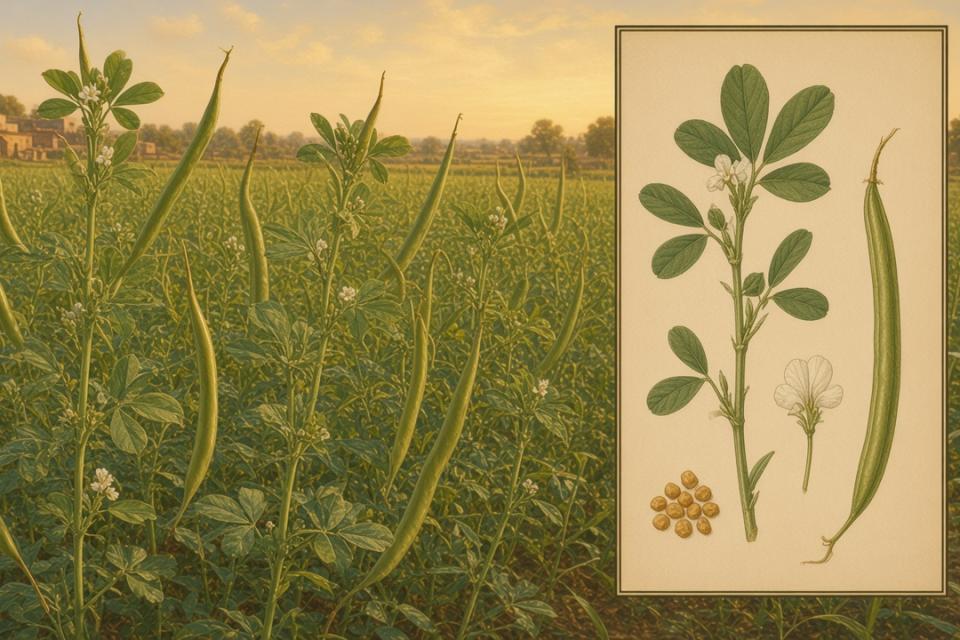
Fenugreek
Trigonella foenum-graecum
Fenugreek is a kitchen spice with a long medicinal history and some encouraging early evidence, especially for blood sugar. The seeds of thi...
Search the index
Popular starting points
Tap a topic to fill the search box, then pick a result or press Search.
Searching…
No quick matches for “”
Try a common name, a Latin binomial, or browse the full herb library.
↑ ↓ to move · Enter to open · ⌘ + K opens search · Esc closes
Browse published herb monographs covering traditional use, modern research, and safety.
Monograph
Trigonella foenum-graecum
Fenugreek is a kitchen spice with a long medicinal history and some encouraging early evidence, especially for blood sugar. The seeds of thi...

Monograph
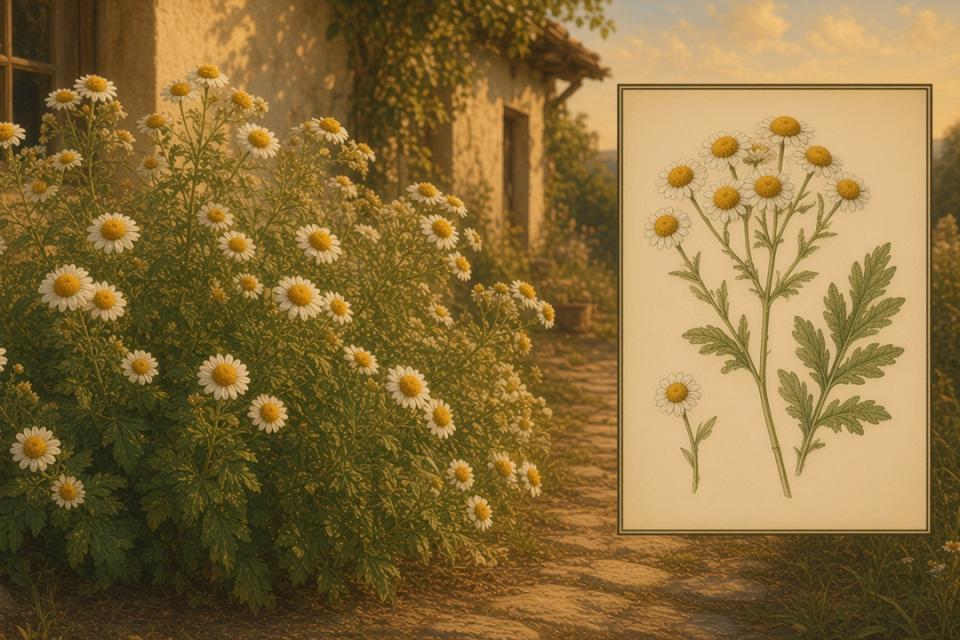
Tanacetum parthenium
Feverfew is a small, strong-smelling daisy that became famous for migraine. Its use for headache goes back centuries in European herbals, an...


Monograph
Linum usitatissimum
Flax is one of the oldest crops people have grown, and one of the few that both clothes and feeds us. The fiber in its slender stems is spun...

Monograph
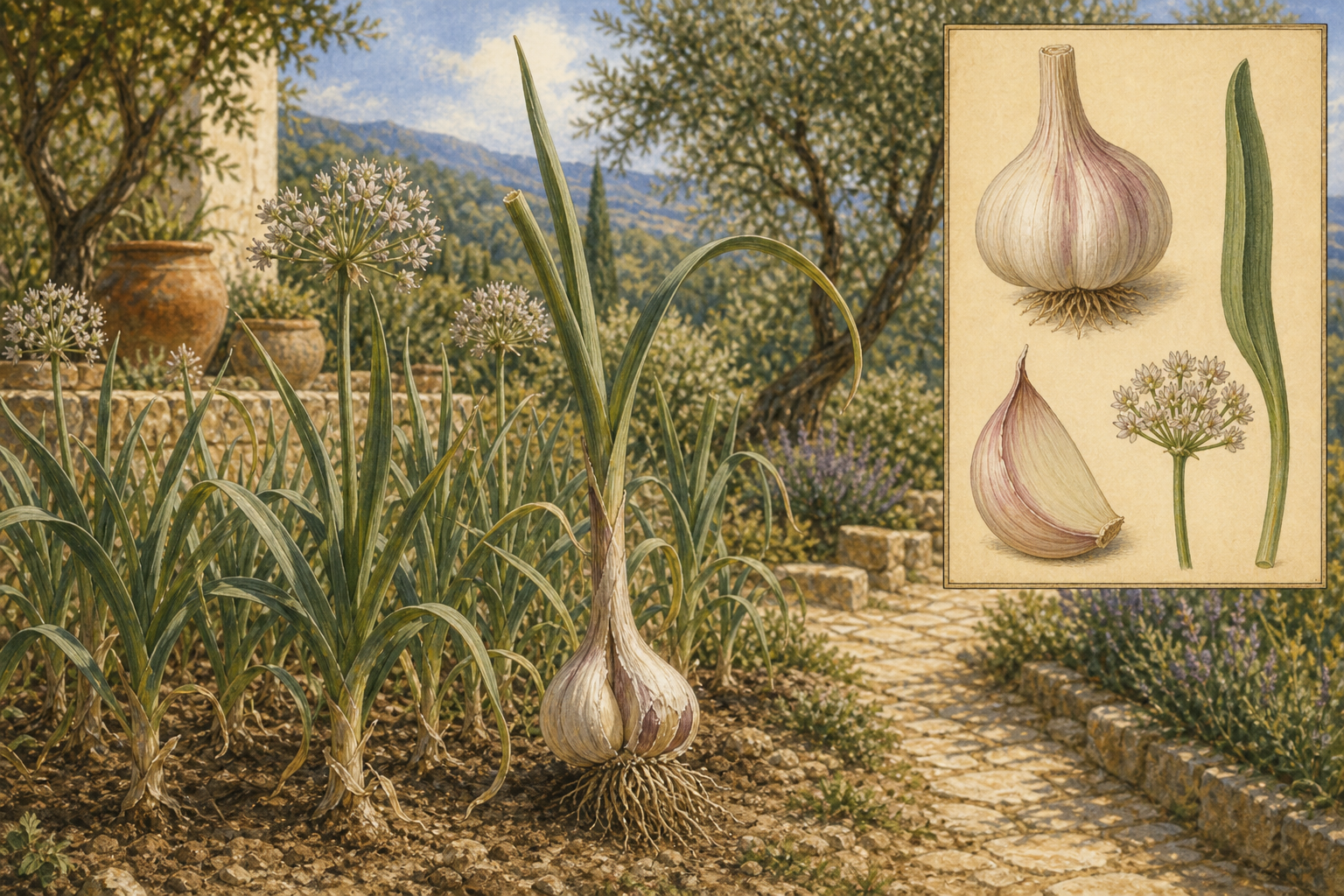
Allium sativum
Garlic (Allium sativum) is a kitchen bulb that people treat as a cardiovascular drug. The clove in a pan is food. The enteric-coated tablet...


Monograph
Gentiana lutea
Gentian root is the classic European bitter. Gentiana lutea, the great yellow gentian, is a tall, long-lived perennial of mountain pastures...

Monograph
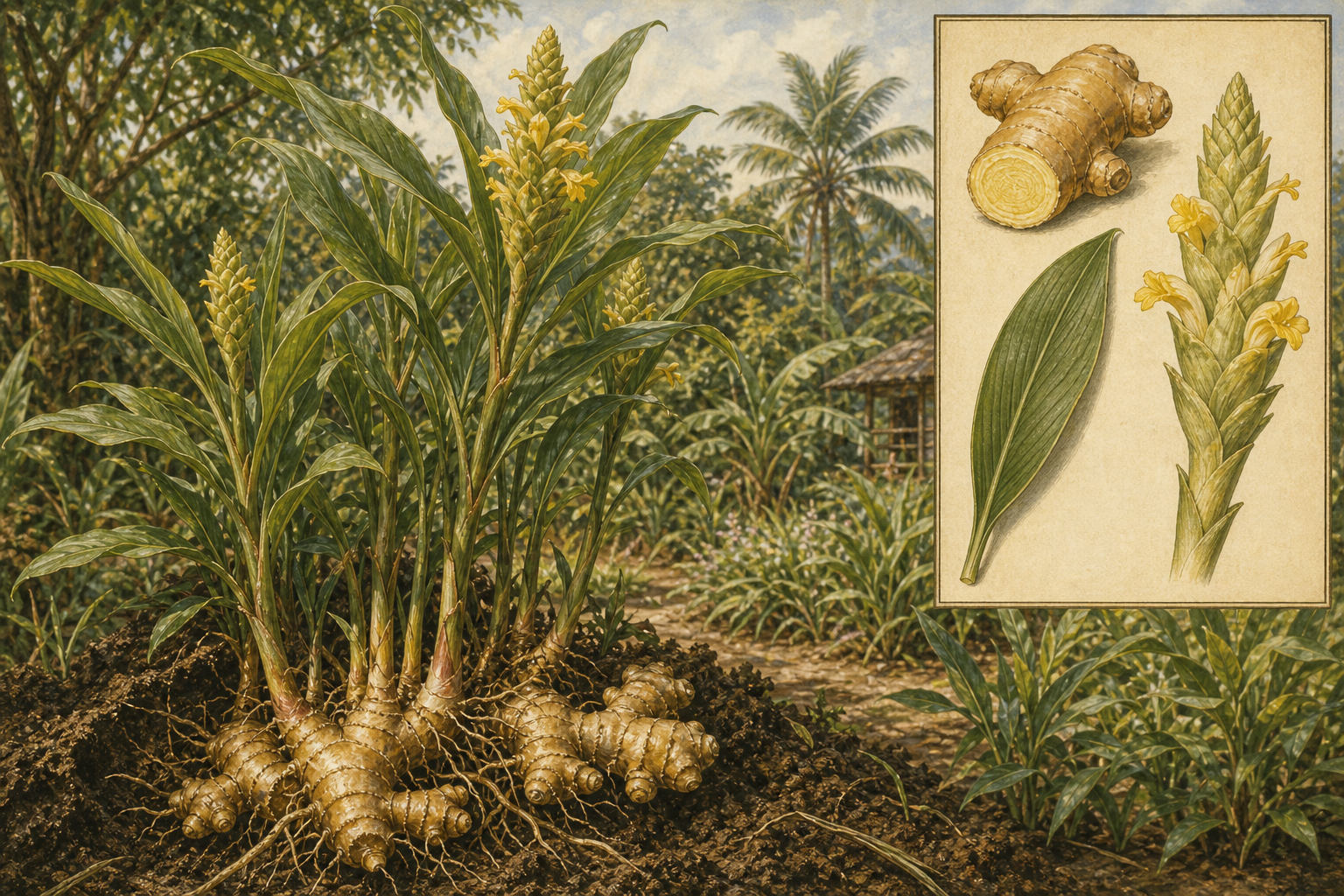
Zingiber officinale
Ginger (Zingiber officinale) is a tropical rhizome that is food first. The kitchen uses the knobby underground stem fresh, dried, pickled, o...
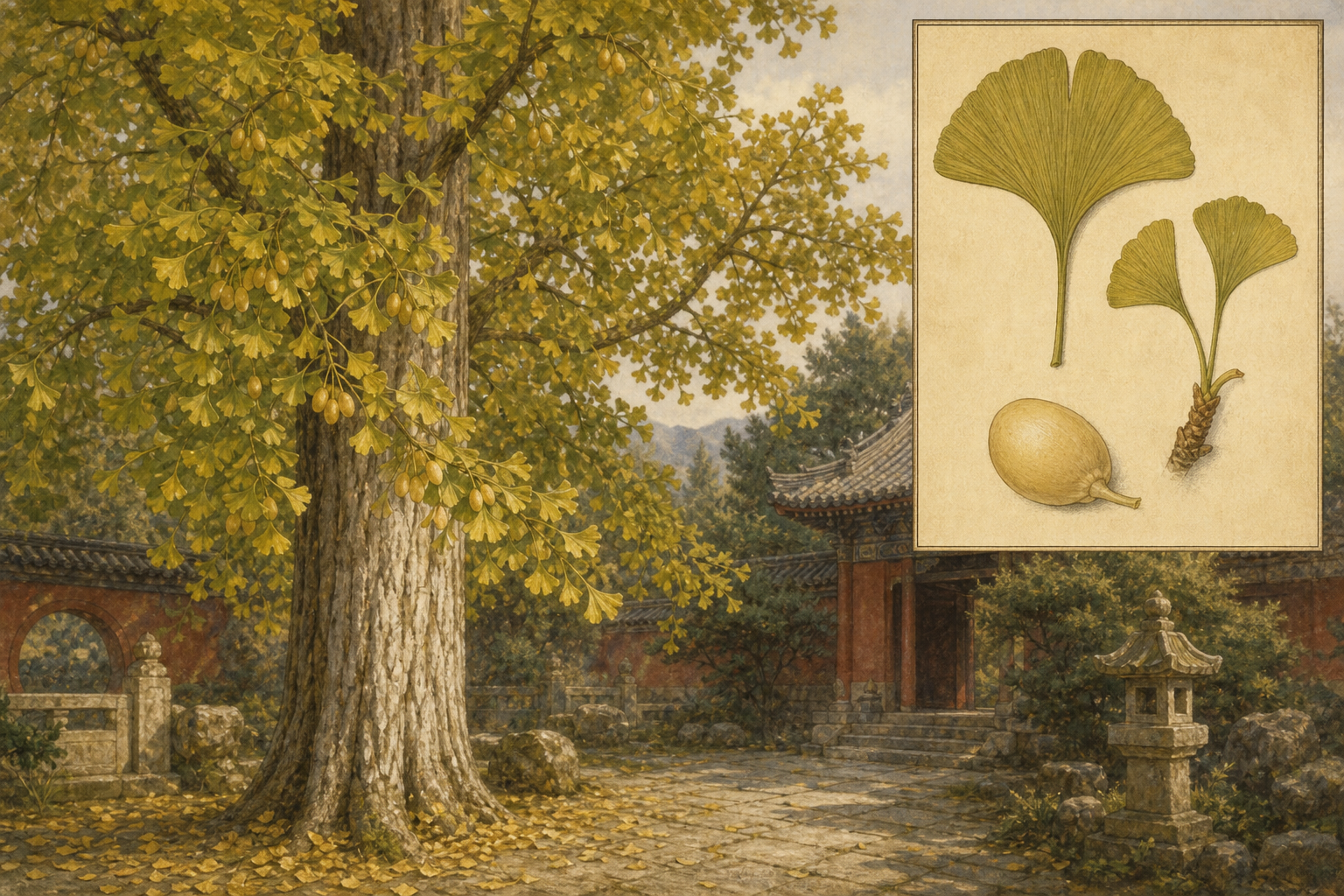

Monograph
Ginkgo biloba
Ginkgo (Ginkgo biloba) is a living fossil with fan-shaped leaves, much loved as a street tree, though the female trees drop smelly seeds on...
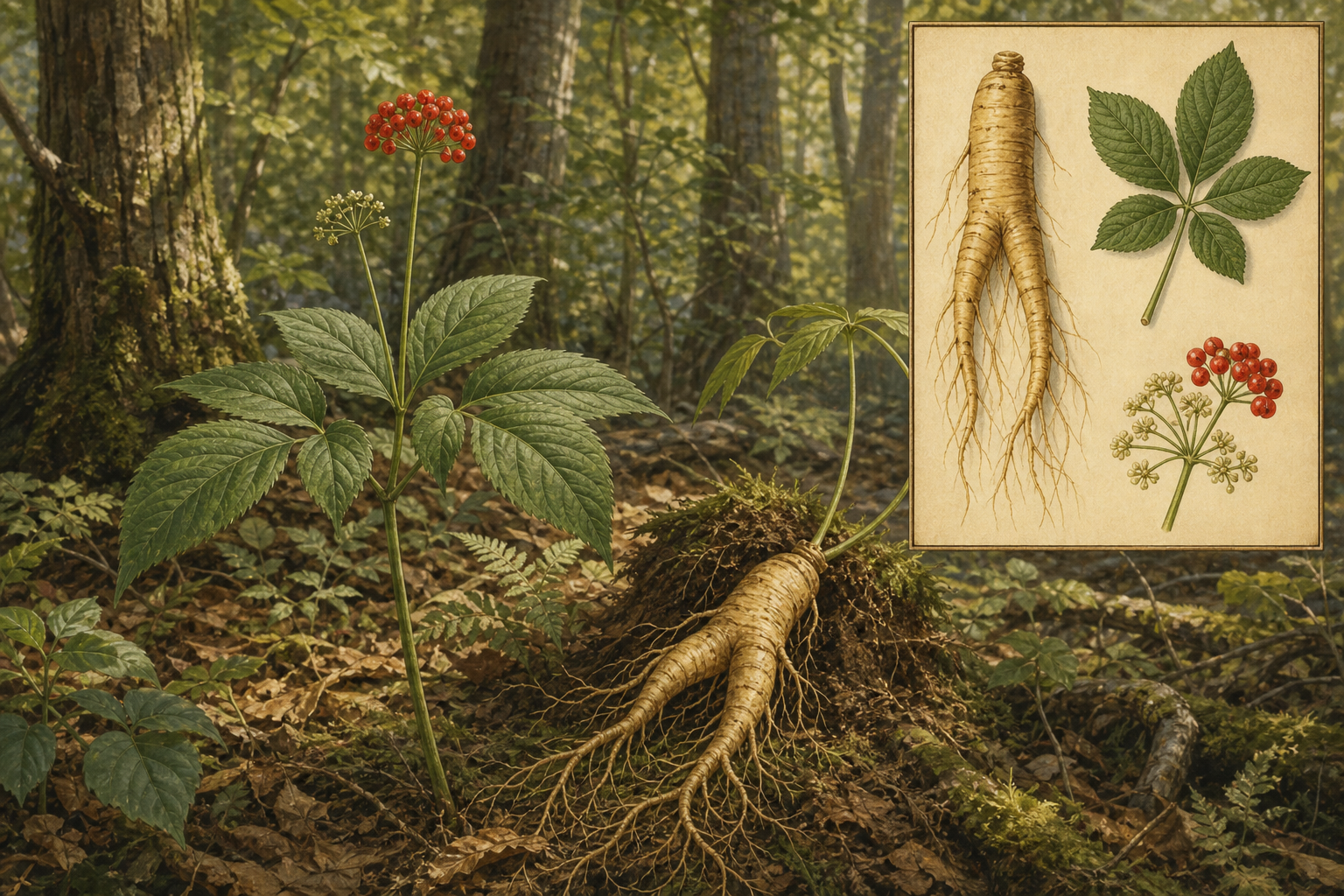

Monograph
Panax ginseng
Ginseng is one of the world’s most treasured tonic roots, and the name covers more than one plant. In Chinese the character 人参 (rénshēn) m...
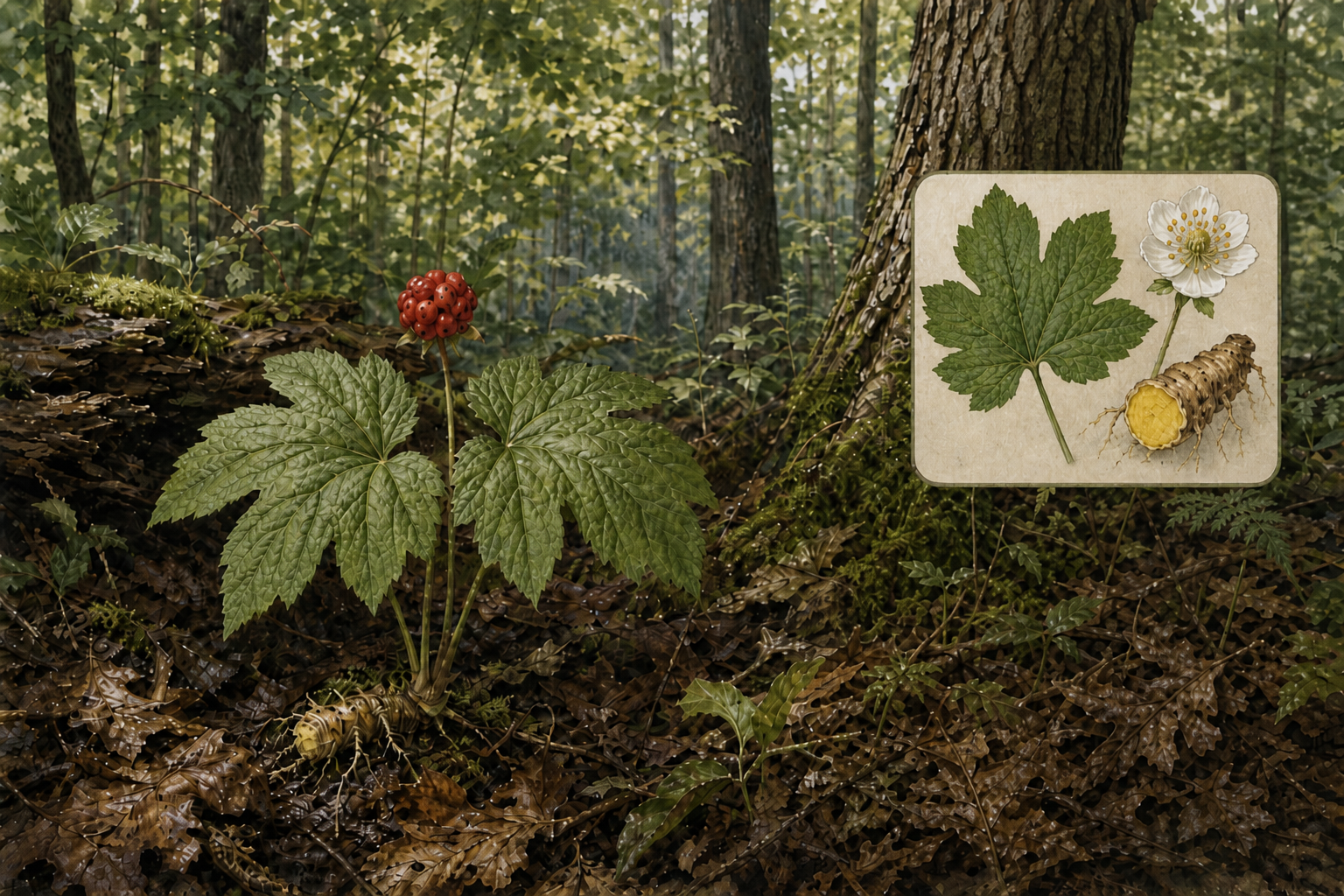

Monograph
Hydrastis canadensis
Goldenseal (Hydrastis canadensis) is a small woodland perennial in the buttercup family whose knotted, bright-yellow root, strictly a rhizom...
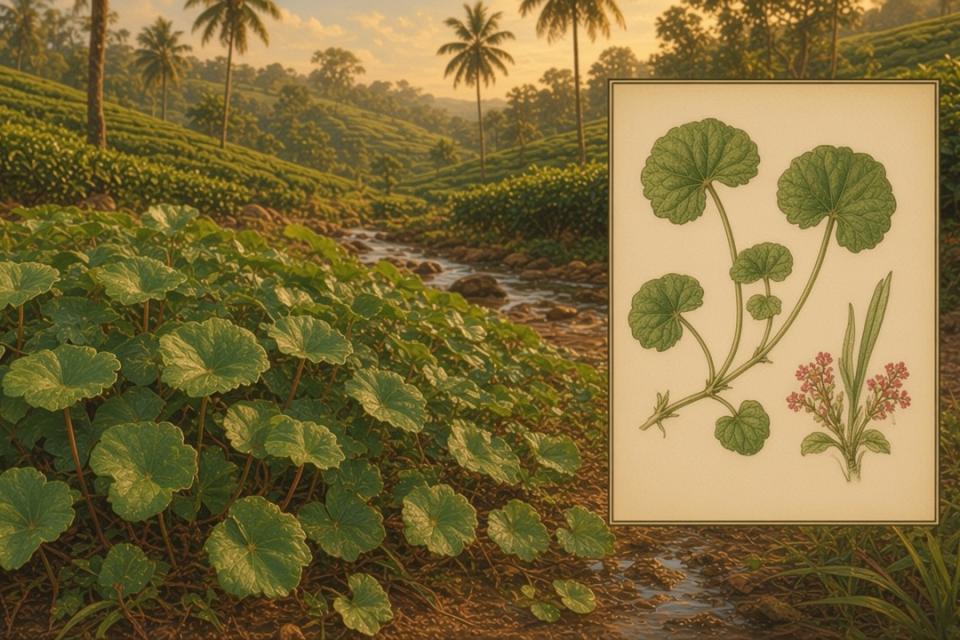

Monograph
Centella asiatica
Gotu kola is a small creeping herb of wet ground in the tropics, a member of the carrot family that is eaten as a leafy green in Sri Lanka a...

Monograph
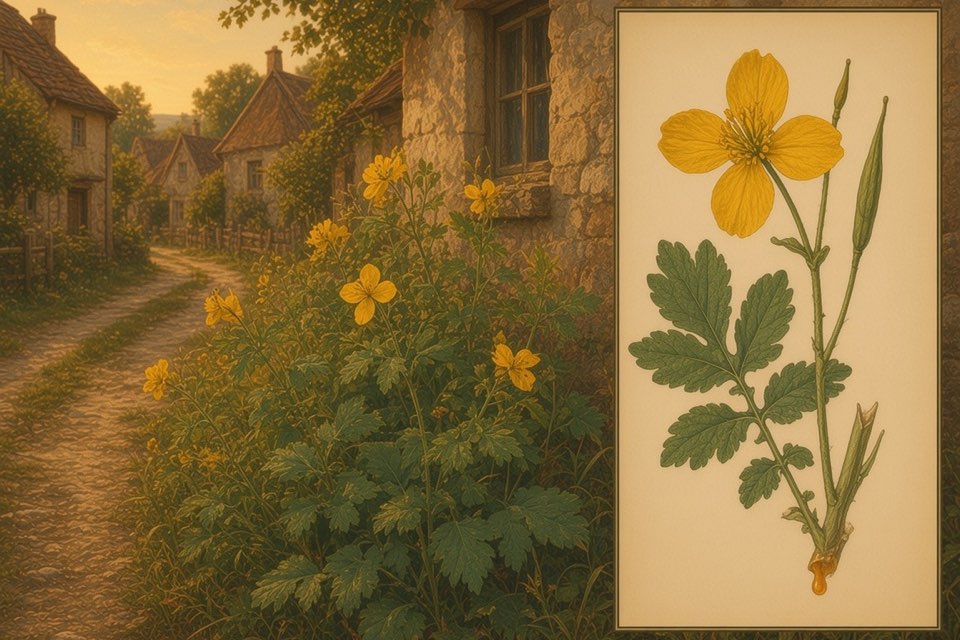
Chelidonium majus
Greater celandine (Chelidonium majus) is a short-lived perennial of the poppy family that grows along old walls, paths, and waste ground acr...

Monograph
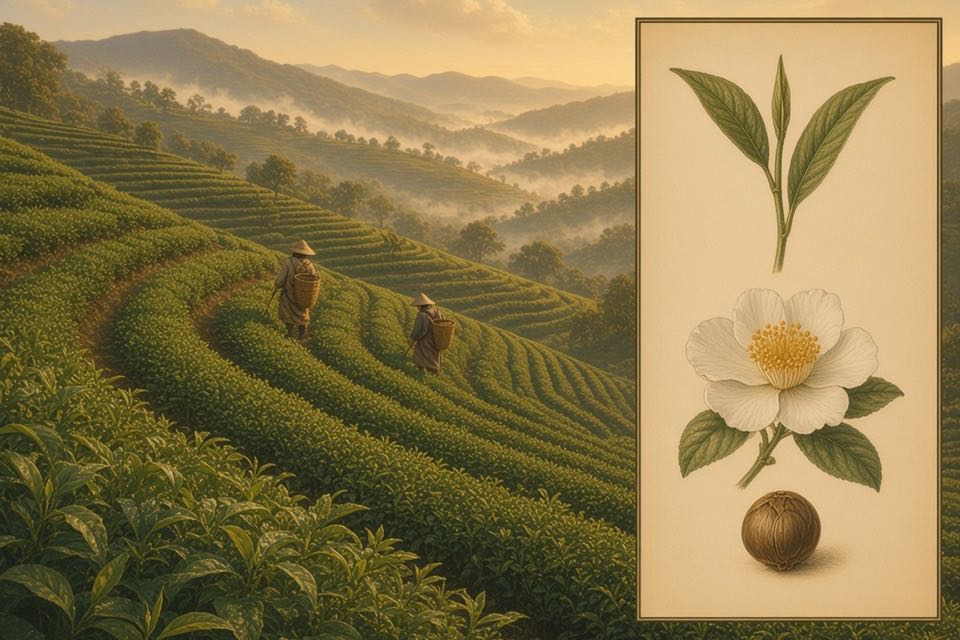
Camellia sinensis
Green tea is made from the young leaves and buds of Camellia sinensis, the same evergreen shrub that gives black and oolong tea. NCCIH expla...


Monograph
Terminalia chebula
Haritaki is the dried fruit of Terminalia chebula, a tall deciduous tree that grows wild from the Indian subcontinent to western Yunnan and...

Monograph
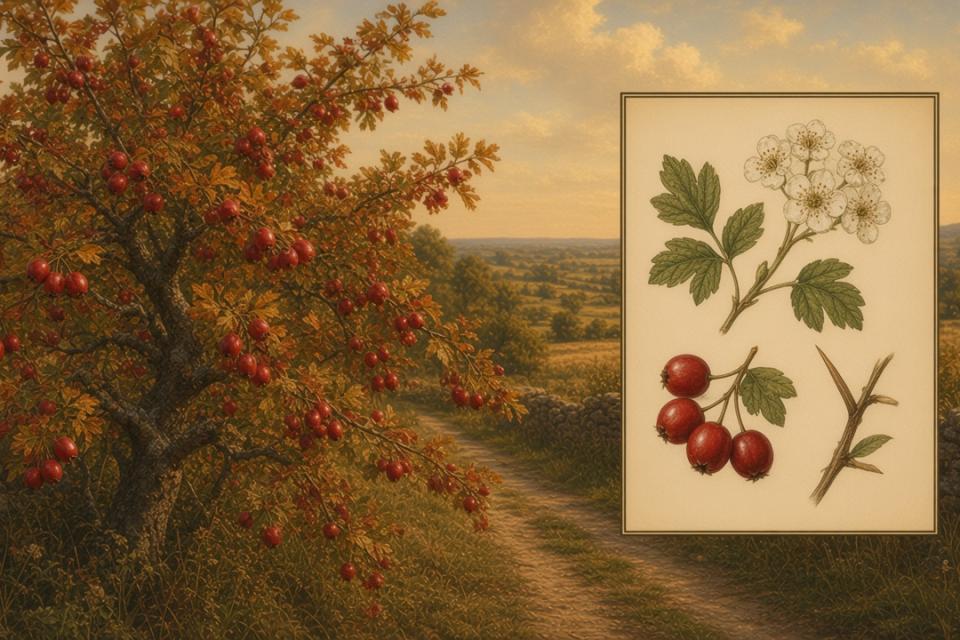
Crataegus monogyna
Hawthorn is the classic heart herb of European medicine. The thorny shrub of hedgerows and woodland edges belongs to the rose family, and it...

Monograph
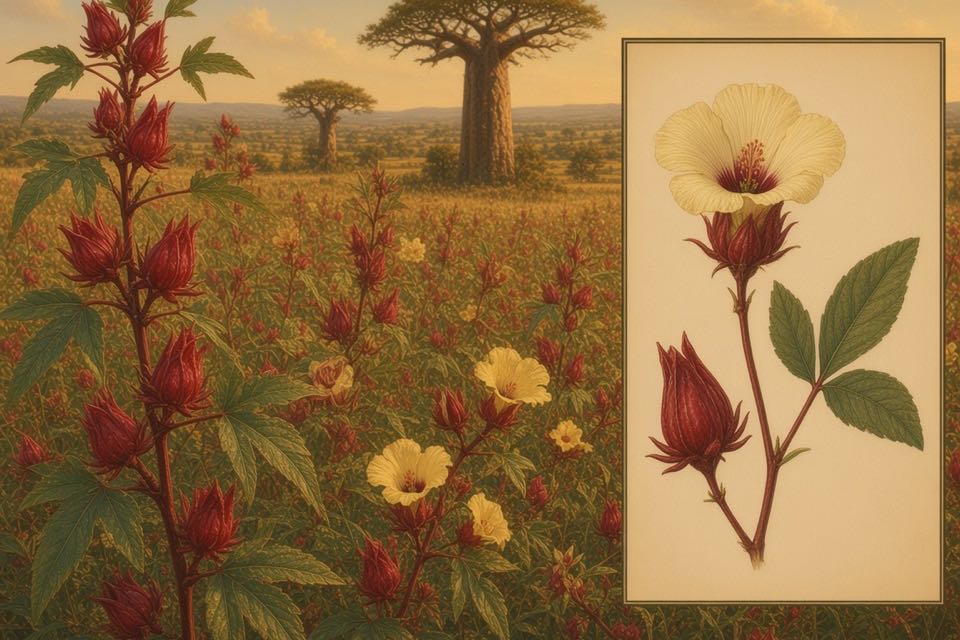
Hibiscus sabdariffa
The hibiscus in a cup of tart, ruby-red tea is not the showy garden shrub. It is roselle, Hibiscus sabdariffa, a tropical African annual in...
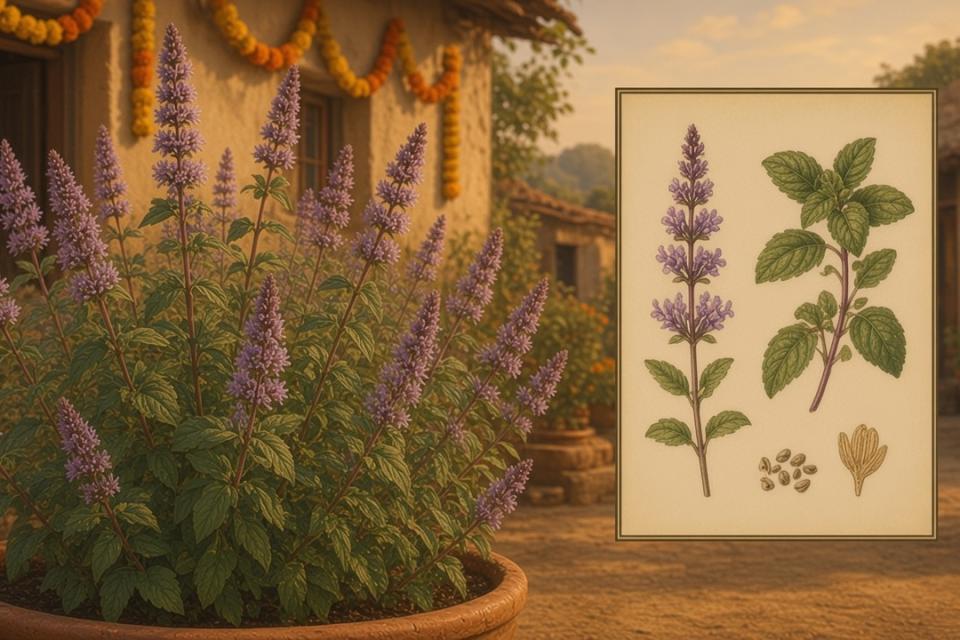

Monograph
Ocimum tenuiflorum
Holy basil, known in India as tulsi, is the most revered plant in Ayurveda and in many Hindu homes. Ayurvedic texts call it the elixir of li...


Monograph
Humulus lupulus
Hops are the papery green cones of the female hop plant, and almost everyone has tasted them: they are what make beer bitter. EMA’s assessme...

Monograph
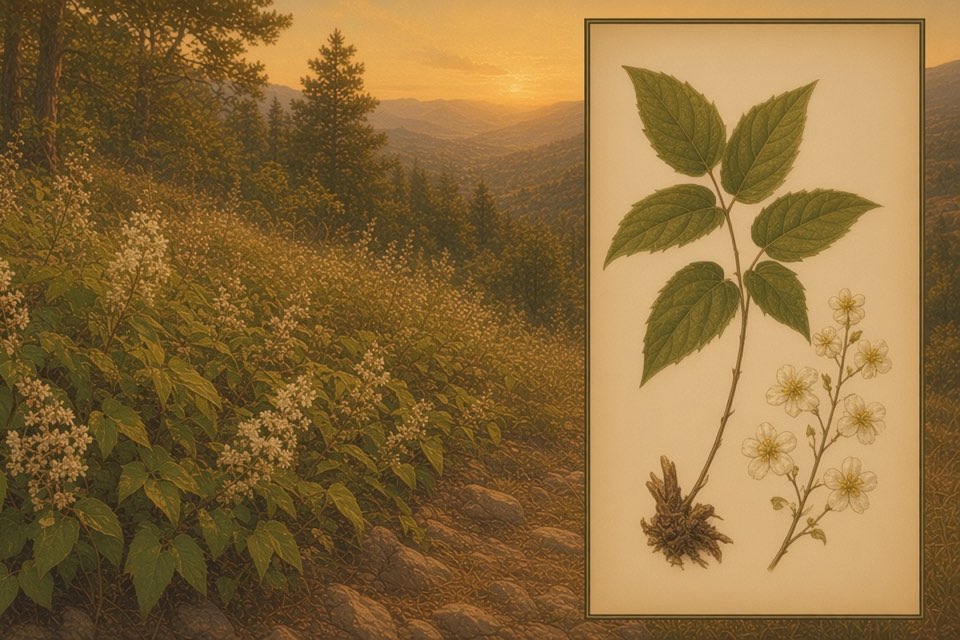
Epimedium brevicornu
Horny goat weed is the English name for several species of Epimedium, low perennial herbs of the barberry family (Berberidaceae) whose dried...
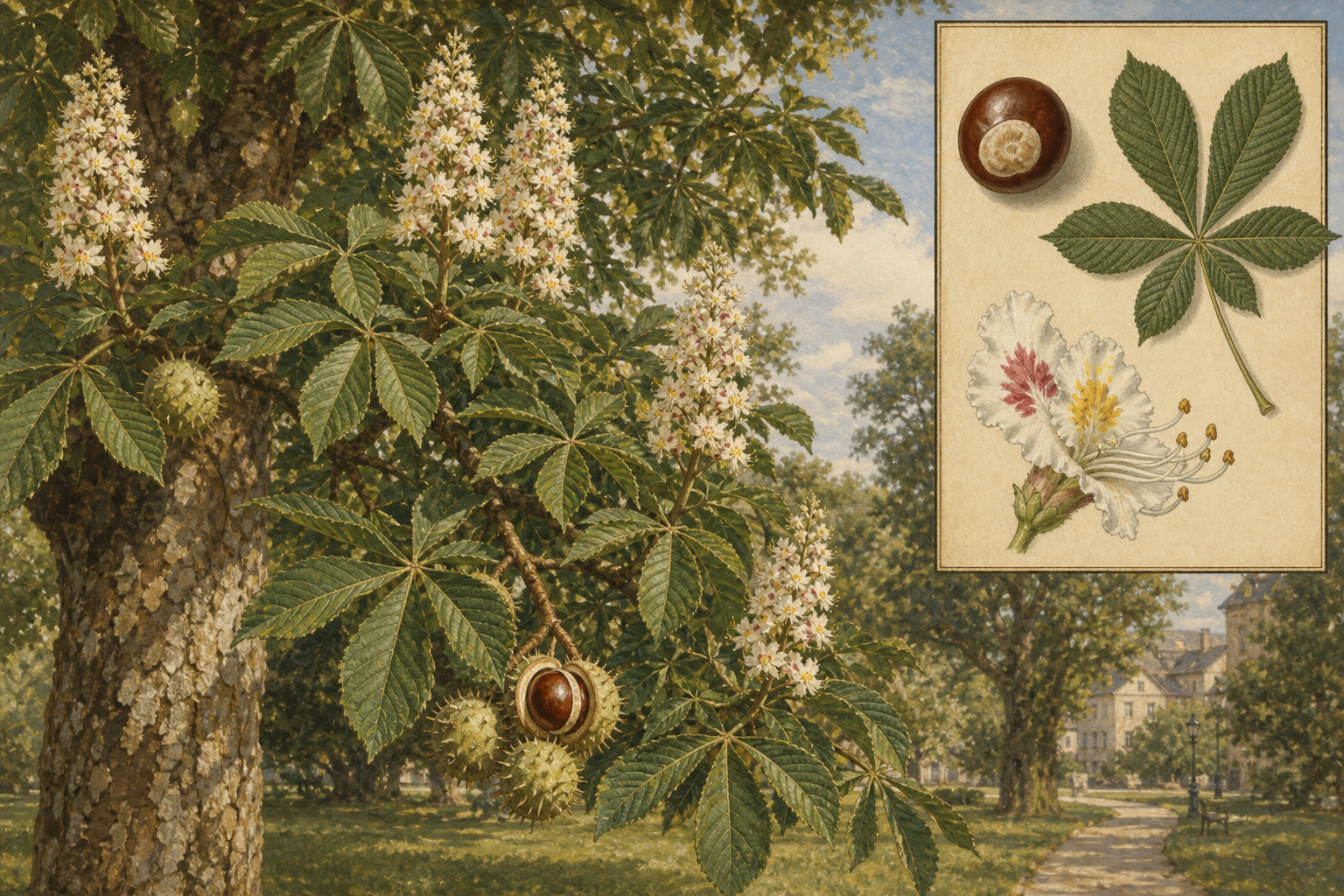

Monograph
Aesculus hippocastanum
Horse chestnut (Aesculus hippocastanum) is a Balkan tree that became a European park tree. The glossy brown seed—the conker—looks like a swe...


Monograph
Hedera helix
Ivy leaf is a garden climber that became one of Europe’s best-selling cough medicines. Hedera helix, common or English ivy, is the evergreen...