

Monograph
Psyllium
Plantago ovata
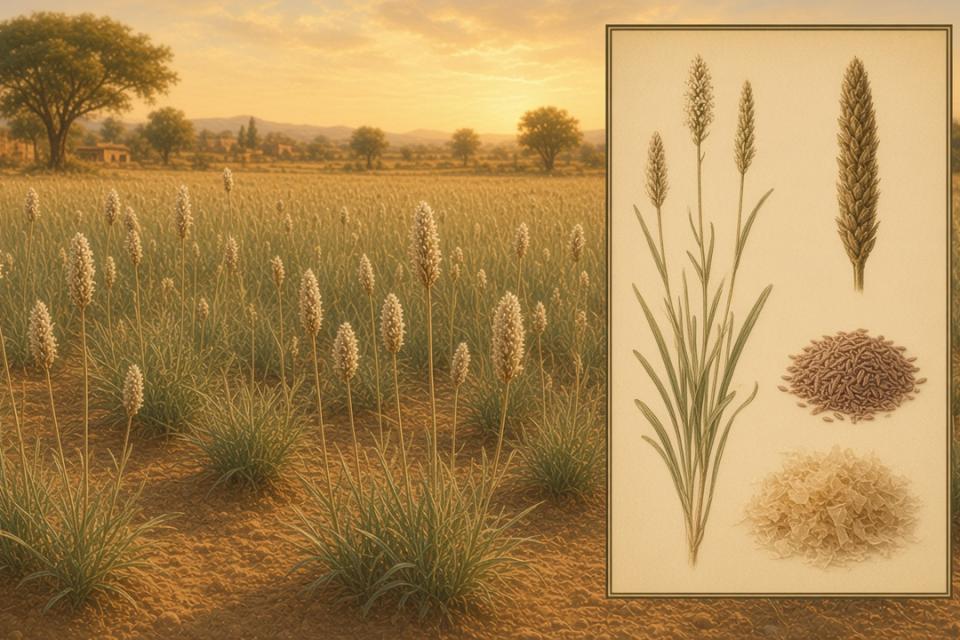
Psyllium is the papery husk of the seed of Plantago ovata, a small plantain grown mostly in western India, and it is one of the best-documen...
Search the index
Popular starting points
Tap a topic to fill the search box, then pick a result or press Search.
Searching…
No quick matches for “”
Try a common name, a Latin binomial, or browse the full herb library.
↑ ↓ to move · Enter to open · ⌘ + K opens search · Esc closes
Browse published herb monographs covering traditional use, modern research, and safety.
Monograph
Plantago ovata
Psyllium is the papery husk of the seed of Plantago ovata, a small plantain grown mostly in western India, and it is one of the best-documen...

Monograph
Cucurbita pepo
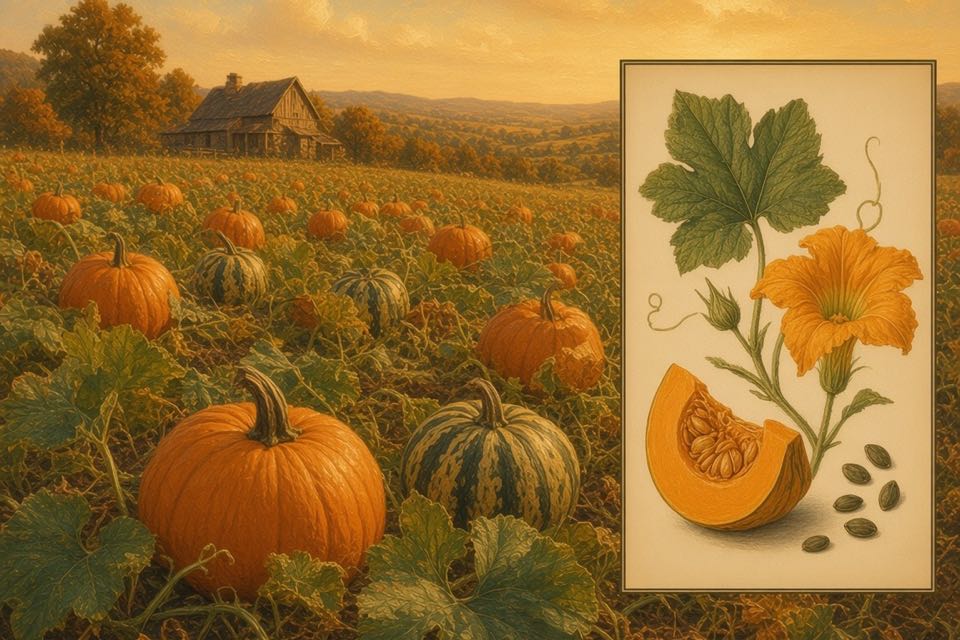
Pumpkin seed is a snack, a salad oil, and a traditional prostate remedy all at once. The seeds come from Cucurbita pepo, the species that in...


Monograph
Prunus africana
Pygeum is the bark of a tree, and its story is as much about conservation as about the prostate. The African cherry, Prunus africana (long k...

Monograph
Trifolium pratense
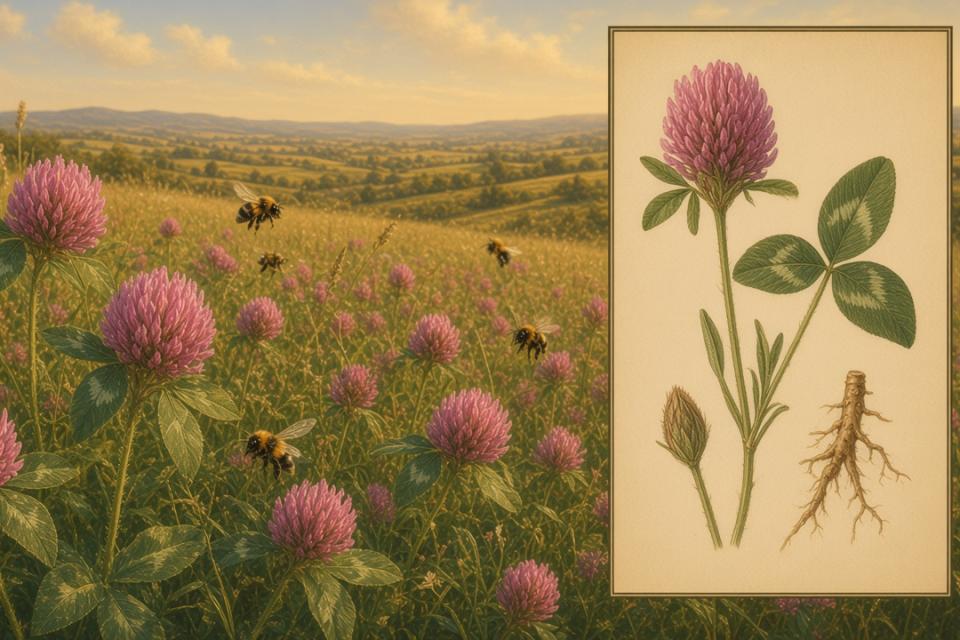
Red clover is a farm plant first and a medicine second. It is a legume, related to peas and beans, grown for centuries as hay and pasture be...

Monograph
Rhodiola rosea
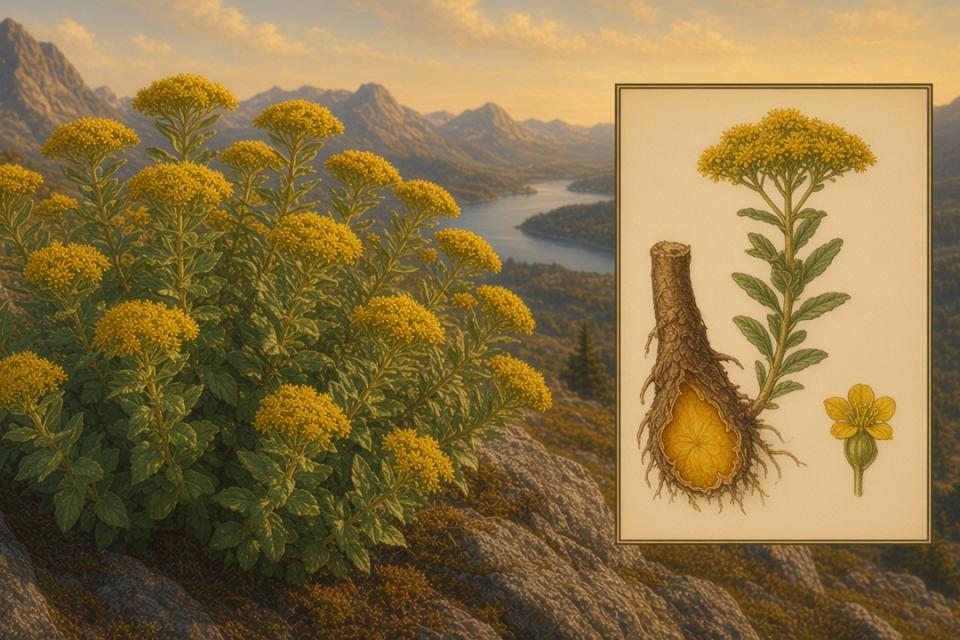
Rhodiola is the flagship of the herbs sold as adaptogens, a term for remedies said to raise the body’s resistance to stress. The medicine is...

Monograph
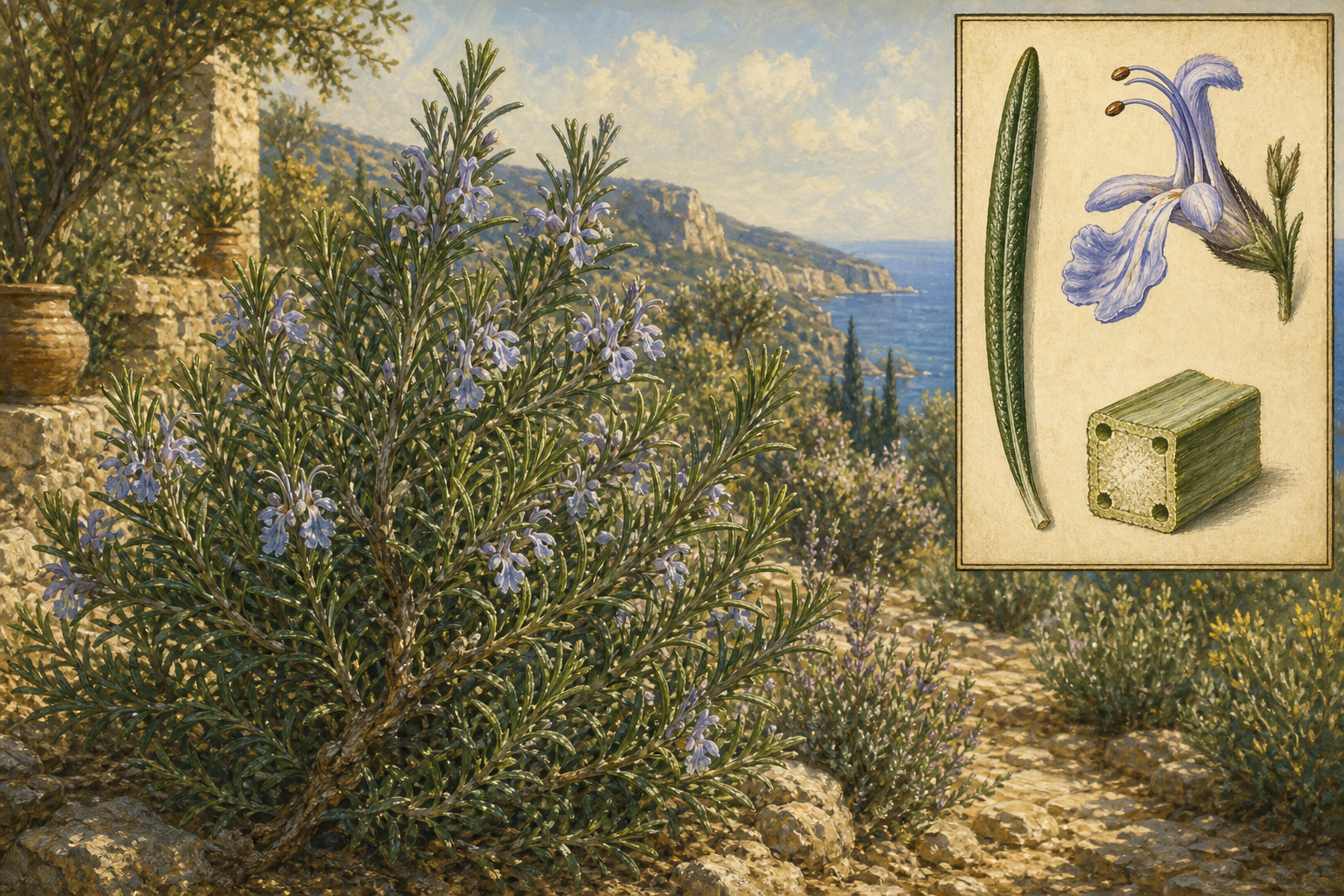
Salvia rosmarinus
Rosemary is a woody Mediterranean evergreen in the mint family whose needle-like leaves have seasoned lamb, marked graves, and scented sickr...

Monograph
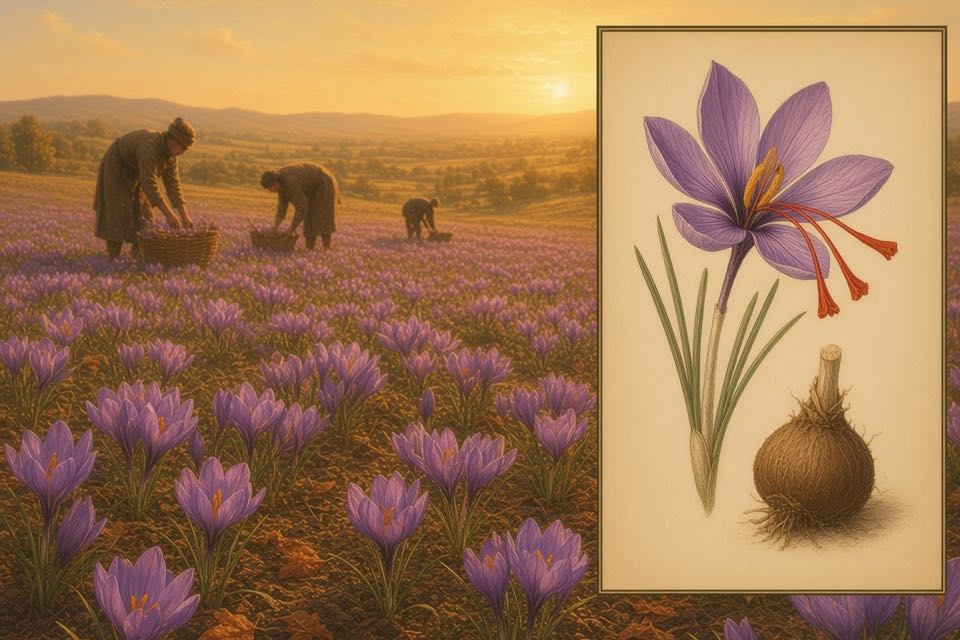
Crocus sativus
Saffron is the dried, thread-like red stigmas of a purple autumn crocus, picked by hand, three to a flower. Britannica notes that a single p...

Monograph
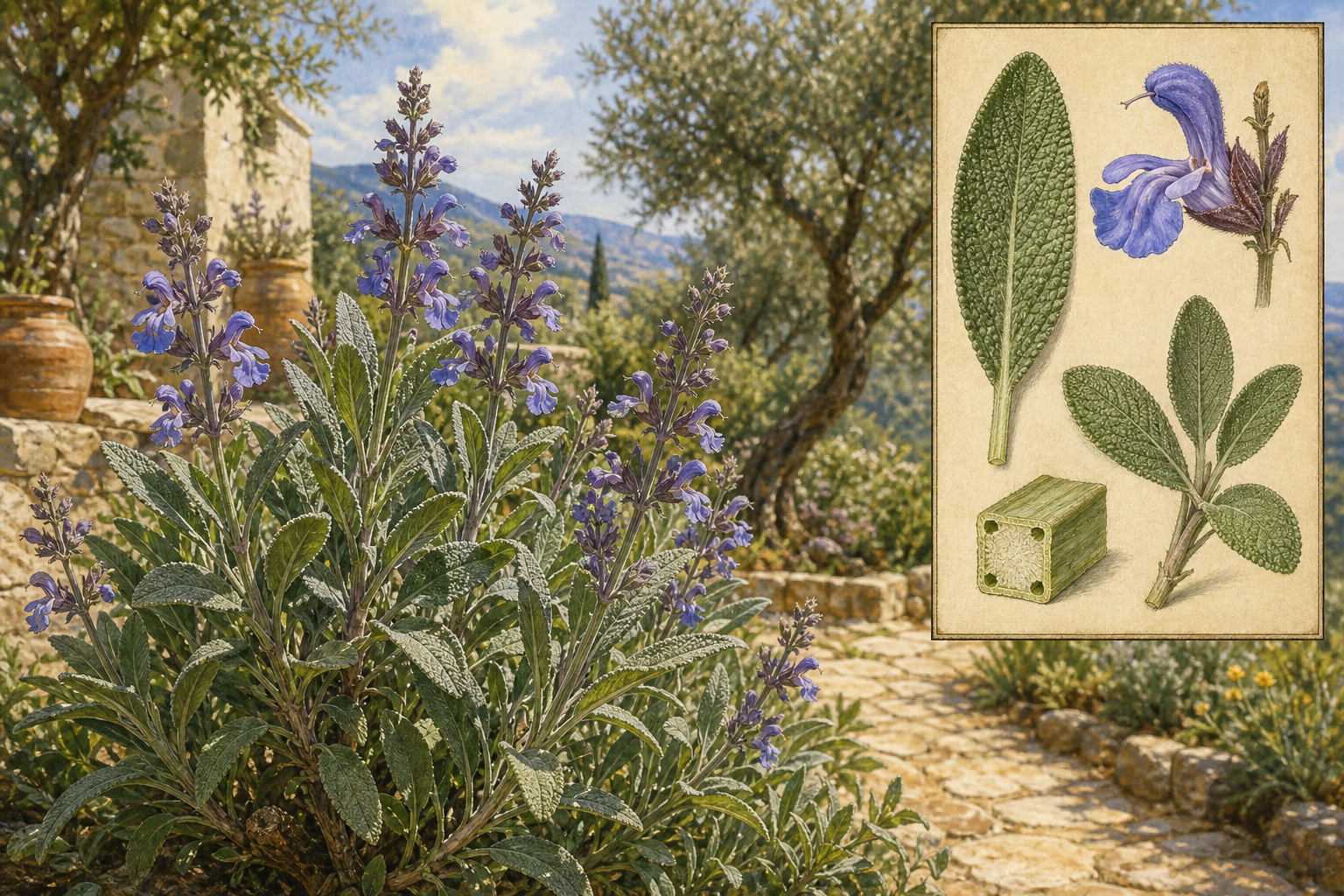
Salvia officinalis
Sage (Salvia officinalis), often called garden sage or common sage, is a woody Mediterranean mint whose gray-green, pebbled leaves have flav...

Monograph
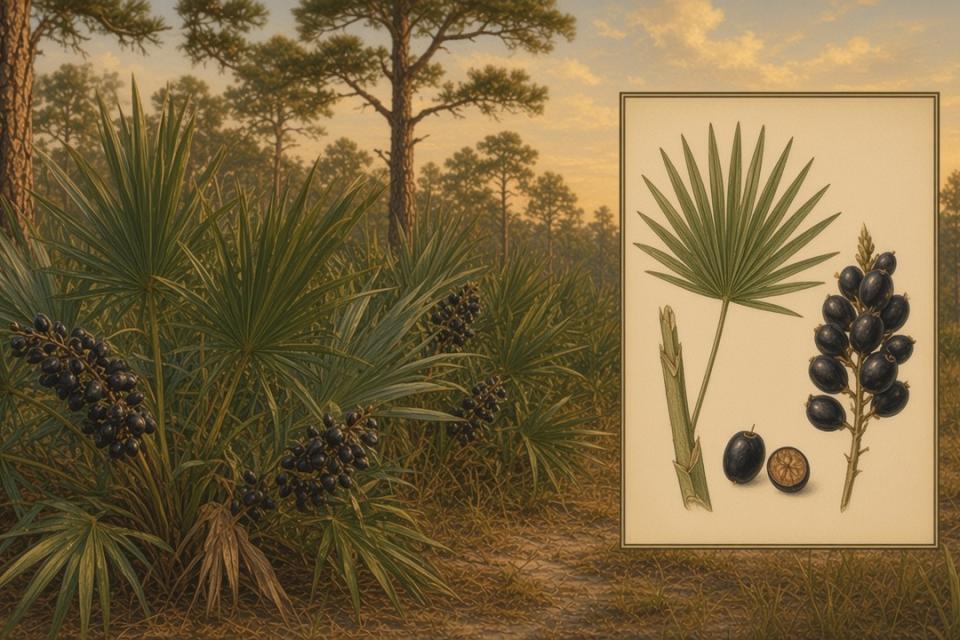
Serenoa repens
Saw palmetto is the herb most men reach for when they start getting up at night to pass urine. Extracts of the berries of this low Florida p...

Monograph
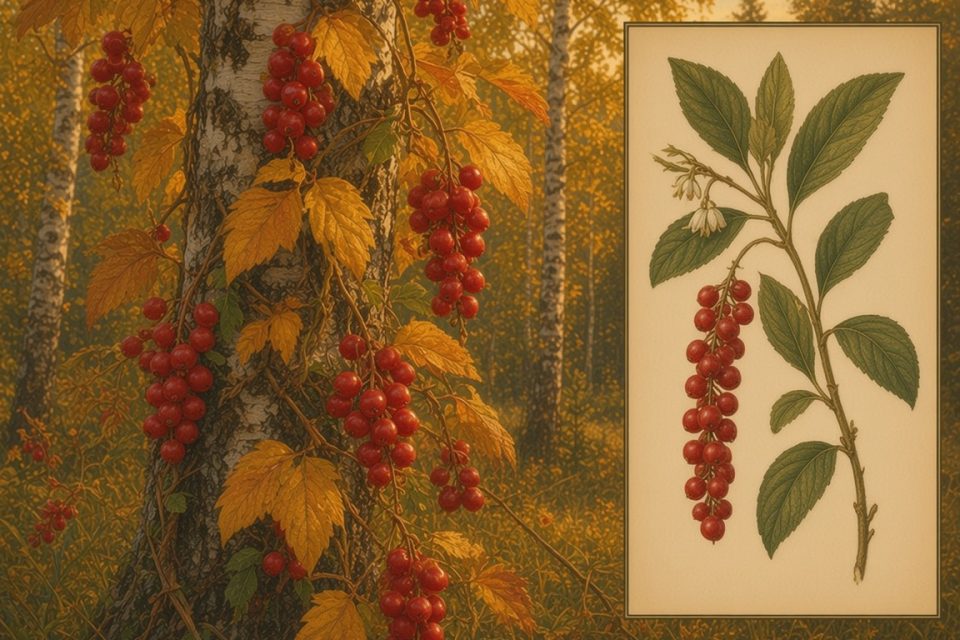
Schisandra chinensis
Schisandra is the berry of a hardy climbing vine from the forests of northeast China, the Russian Far East, Korea, and Japan. Its Chinese na...

Monograph
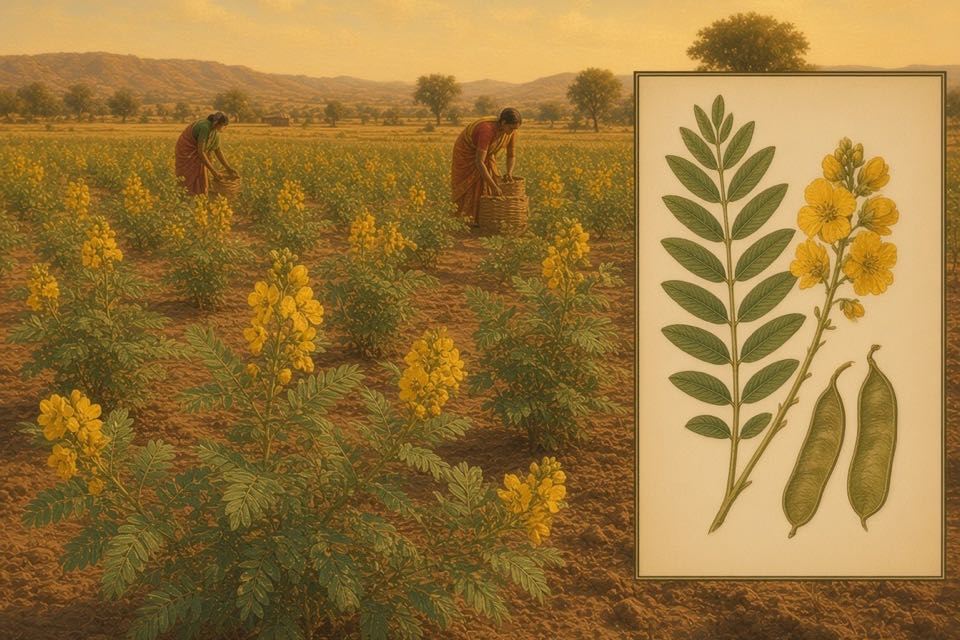
Senna alexandrina
Senna is the leaf and pod of Senna alexandrina, a yellow-flowered desert shrub of the legume family that grows wild from the Sahel and the N...

Monograph
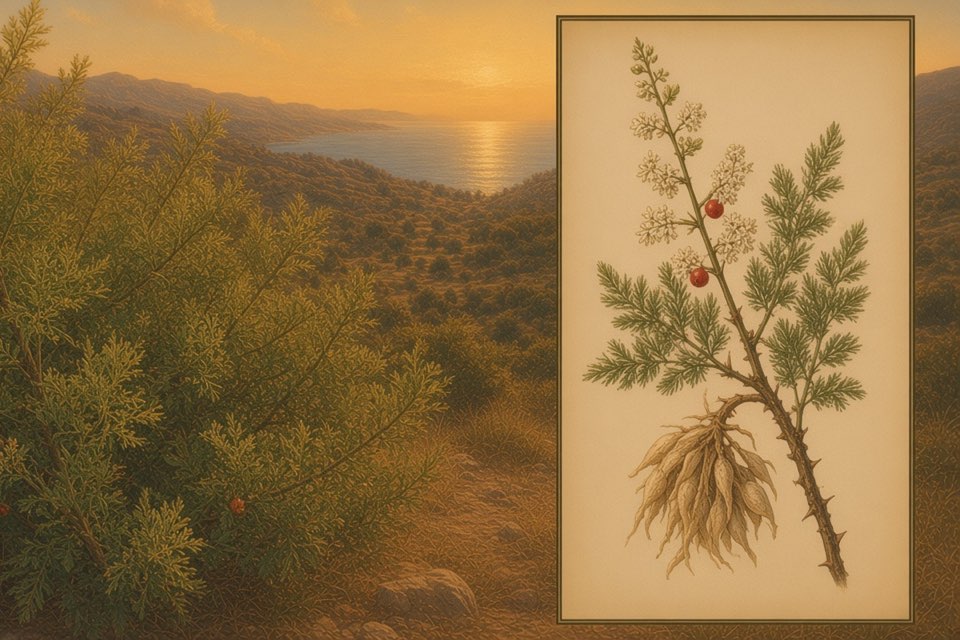
Asparagus racemosus
Shatavari is the root of Asparagus racemosus, a spiny climbing asparagus that grows wild from tropical Africa to northern Australia, and one...

Monograph
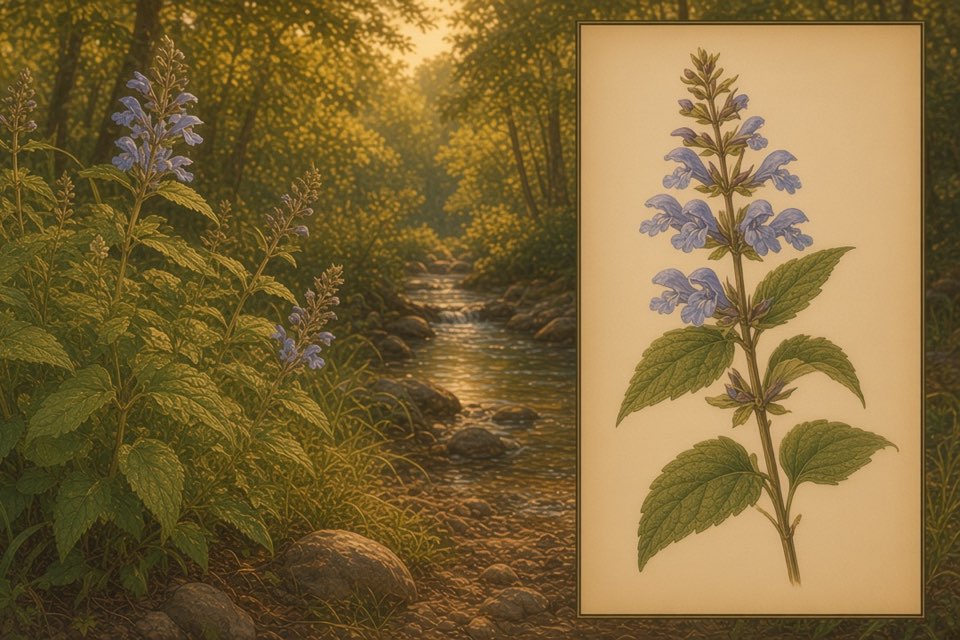
Scutellaria lateriflora
Skullcap is a name shared by two quite different medicinal plants of the mint family. American skullcap, Scutellaria lateriflora, is a slend...

Monograph
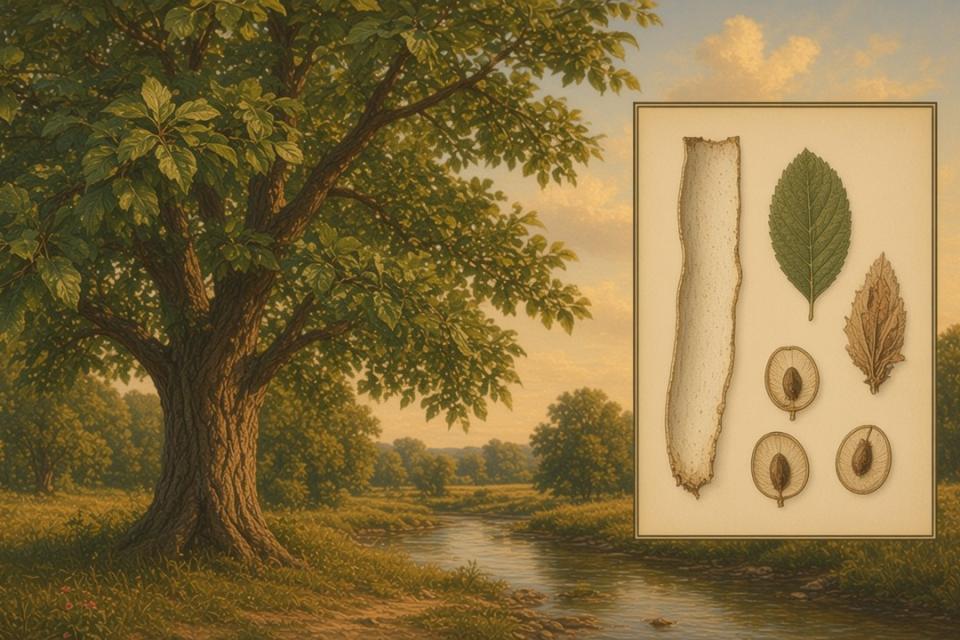
Ulmus rubra
Slippery elm is a North American elm named for its inner bark, which turns slick and gel-like when moistened. The US Forest Service notes th...

Monograph
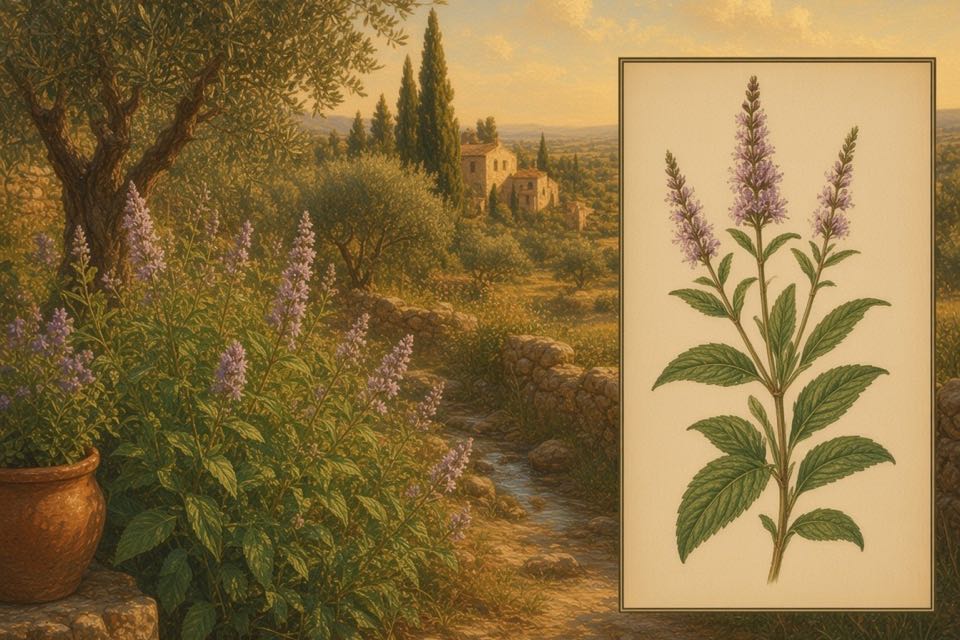
Mentha spicata
Spearmint is the mint of the kitchen garden: the sweet, gentle mint of mint sauce, mint juleps, Moroccan mint tea, and spearmint chewing gum...

Monograph
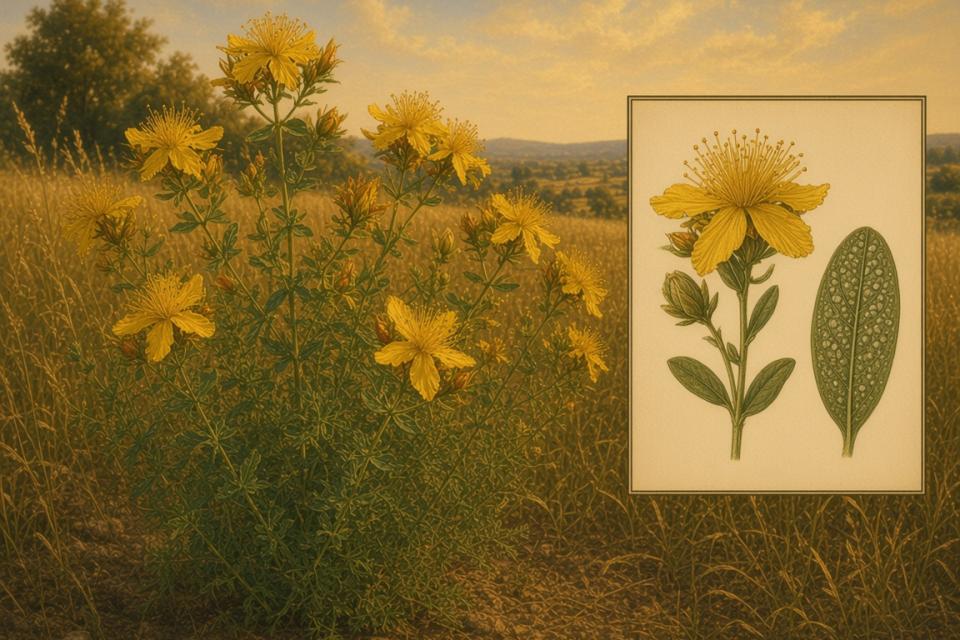
Hypericum perforatum
St. John’s wort is the herb with the best antidepressant evidence and the worst interaction record. Both facts come from the same plant and...

Monograph
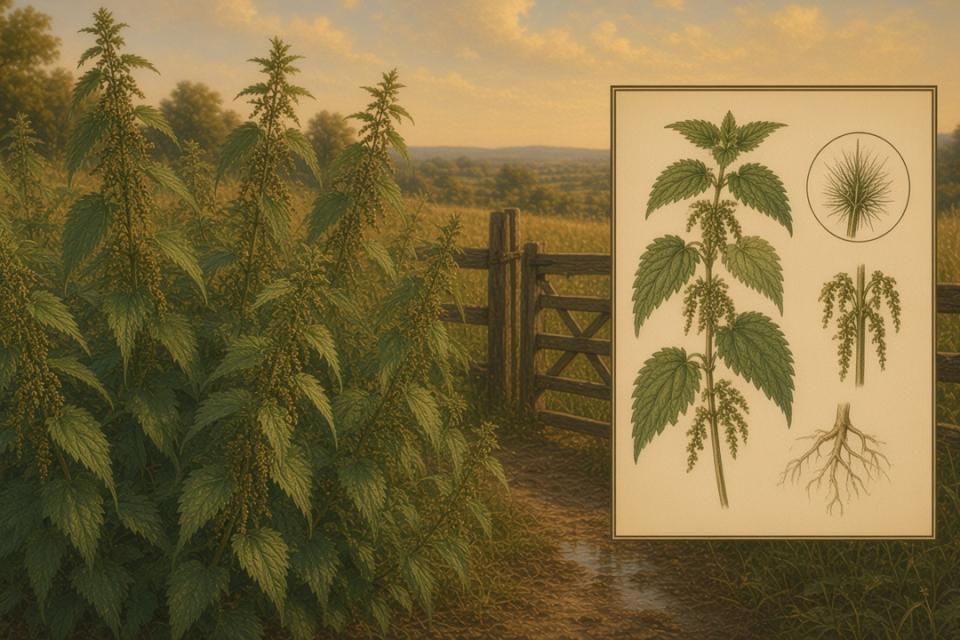
Urtica dioica
Stinging nettle is two medicines in one plant. The leaves and flowering tops, the parts that sting, have been brewed, eaten, and pressed aga...

Monograph
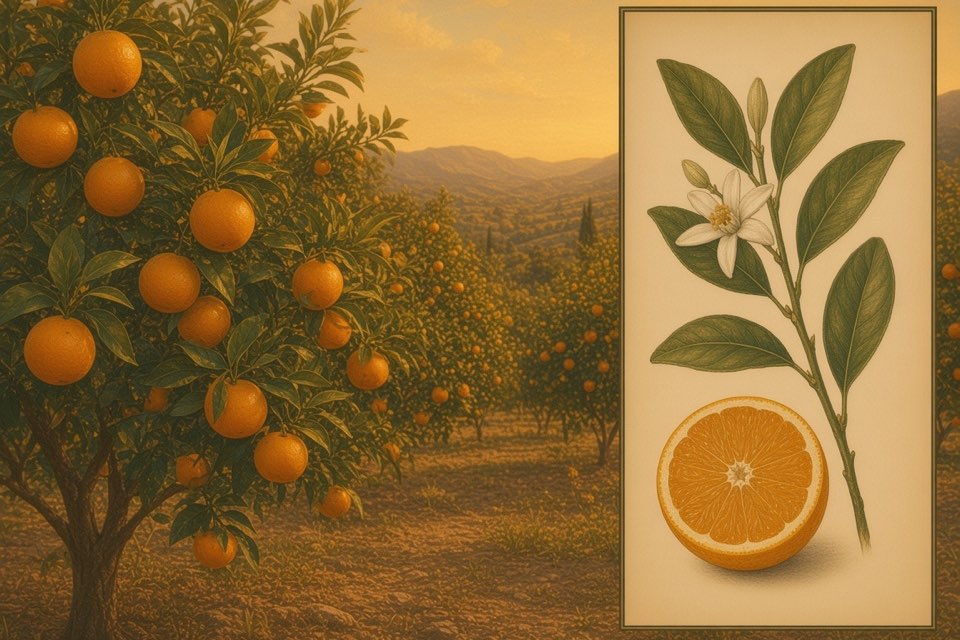
Citrus × aurantium f. aurantium
Sweet orange is the most widely grown citrus fruit in the world, and this page is about its peel and the essential oil pressed from it rathe...

Monograph
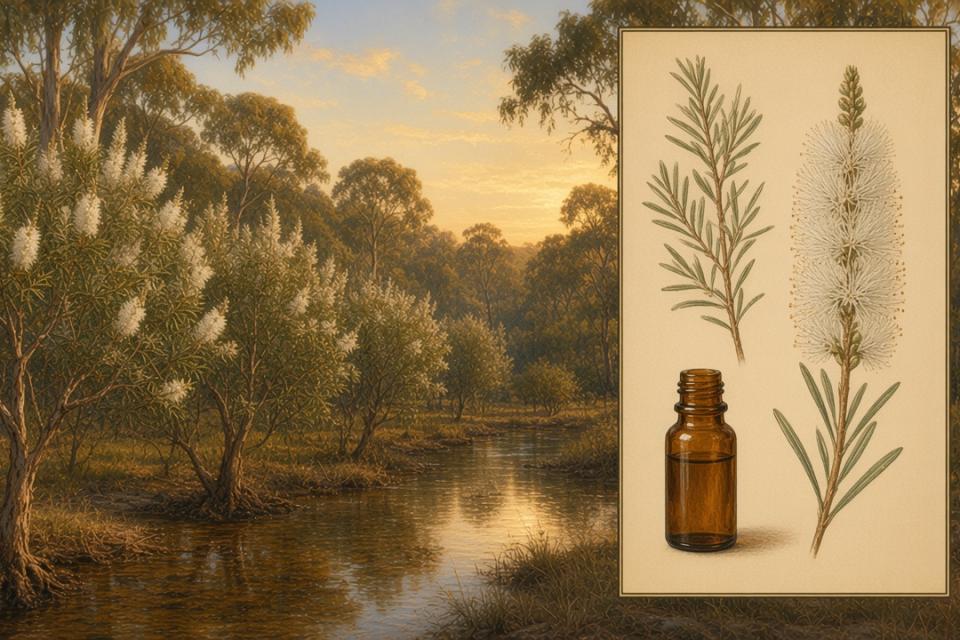
Melaleuca alternifolia
Tea tree oil is the essential oil steam-distilled from the leaves of Melaleuca alternifolia, a paperbark tree of the swampy coastal country...

Monograph
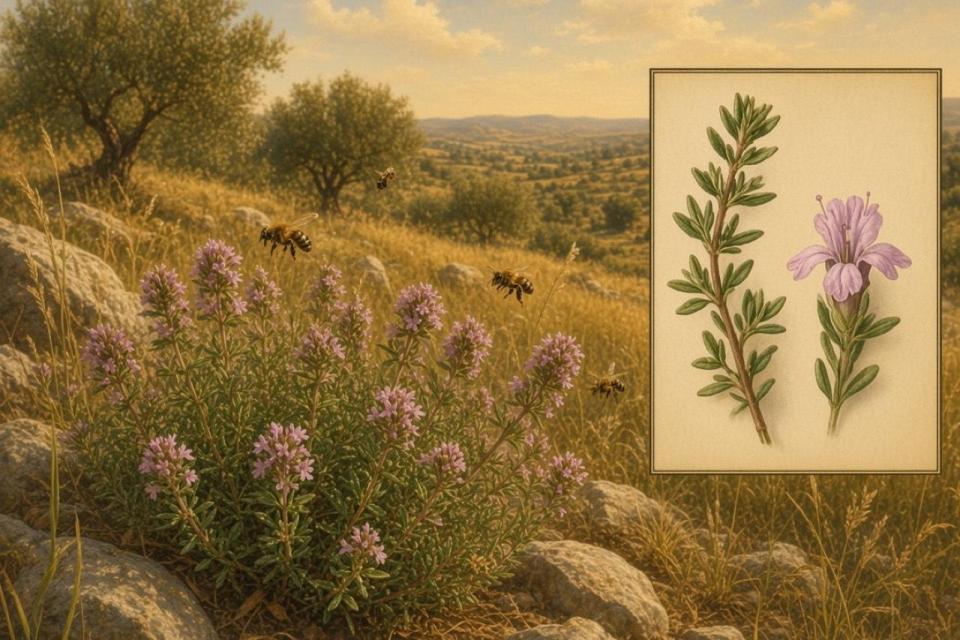
Thymus vulgaris
Thyme is a common kitchen herb and also a traditional European medicine for coughs. Its best-supported health benefit is easing a chesty cou...