
Specimen
Open the monographPublish a herb to populate the garden.
Search the index
Popular starting points
Tap a topic to fill the search box, then pick a result or press Search.
Searching…
No quick matches for “”
Try a common name, a Latin binomial, or browse the full herb library.
↑ ↓ to move · Enter to open · ⌘ + K opens search · Esc closes
The living index
Each node is a monograph. The spiral uses the same golden angle plants use to pack seeds—so the index is not a grid, it is a garden you can search.
Interactive map of published herb monographs.
Specimen
Open the monographPublish a herb to populate the garden.
The herbarium
Pressed, labelled, and ranked by how many of our concern guides reach for them. These are the plants that keep turning up, whatever the problem.
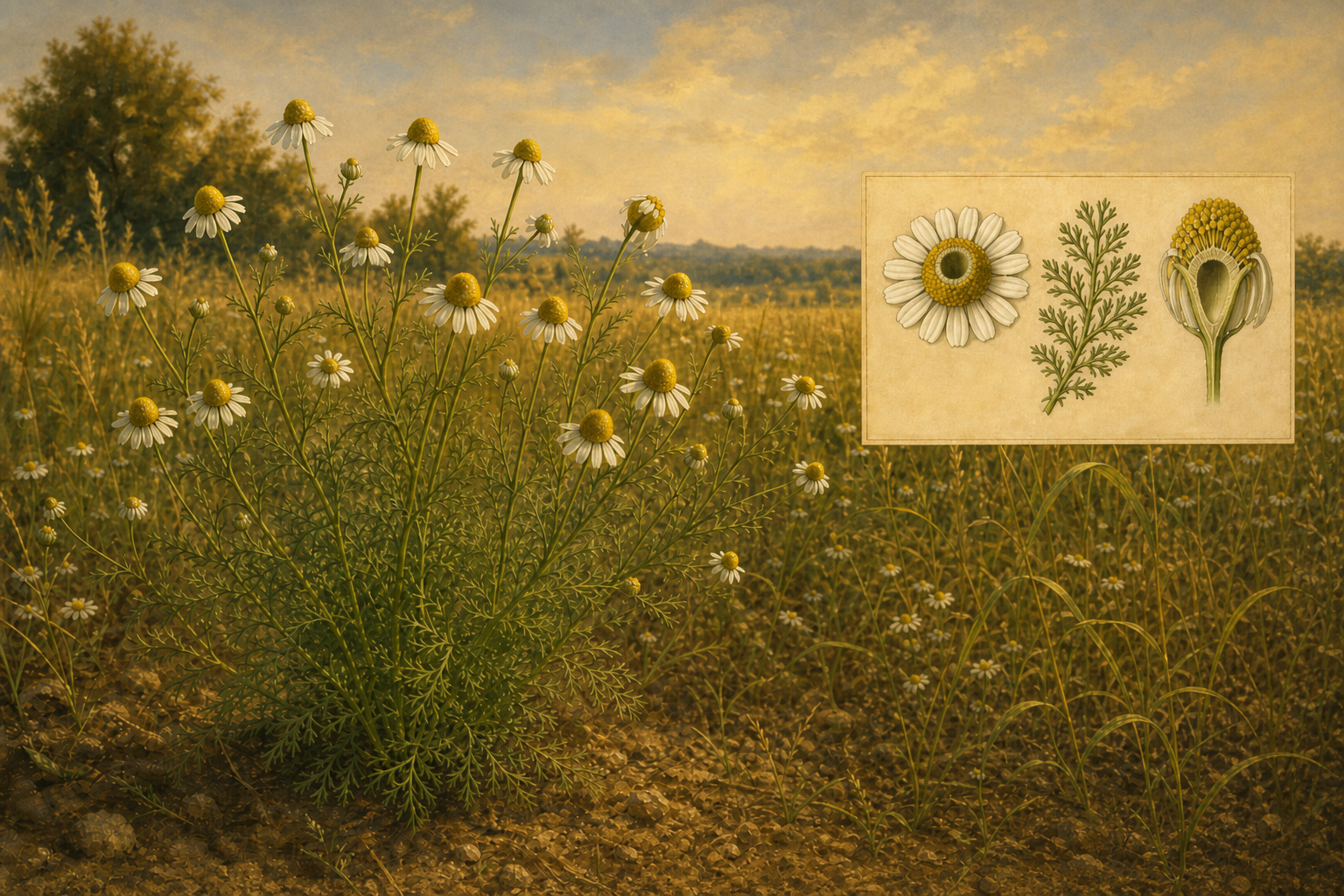
01
Chamomile is a small, apple-scented daisy whose dried flower heads make one of the world’s most popular herbal teas. In most tea bags and herbal medicines the name means German cha...
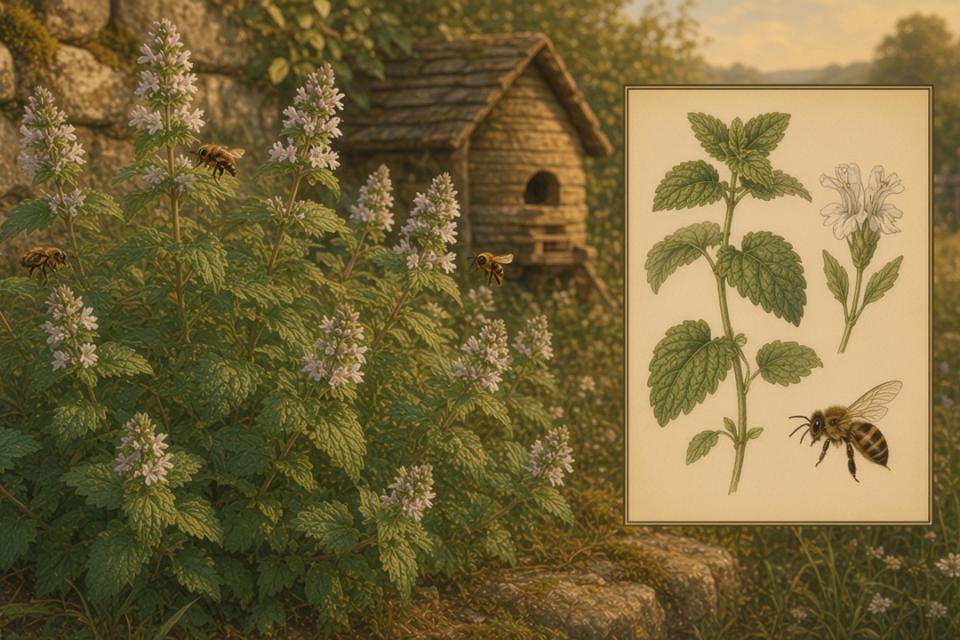
02

03
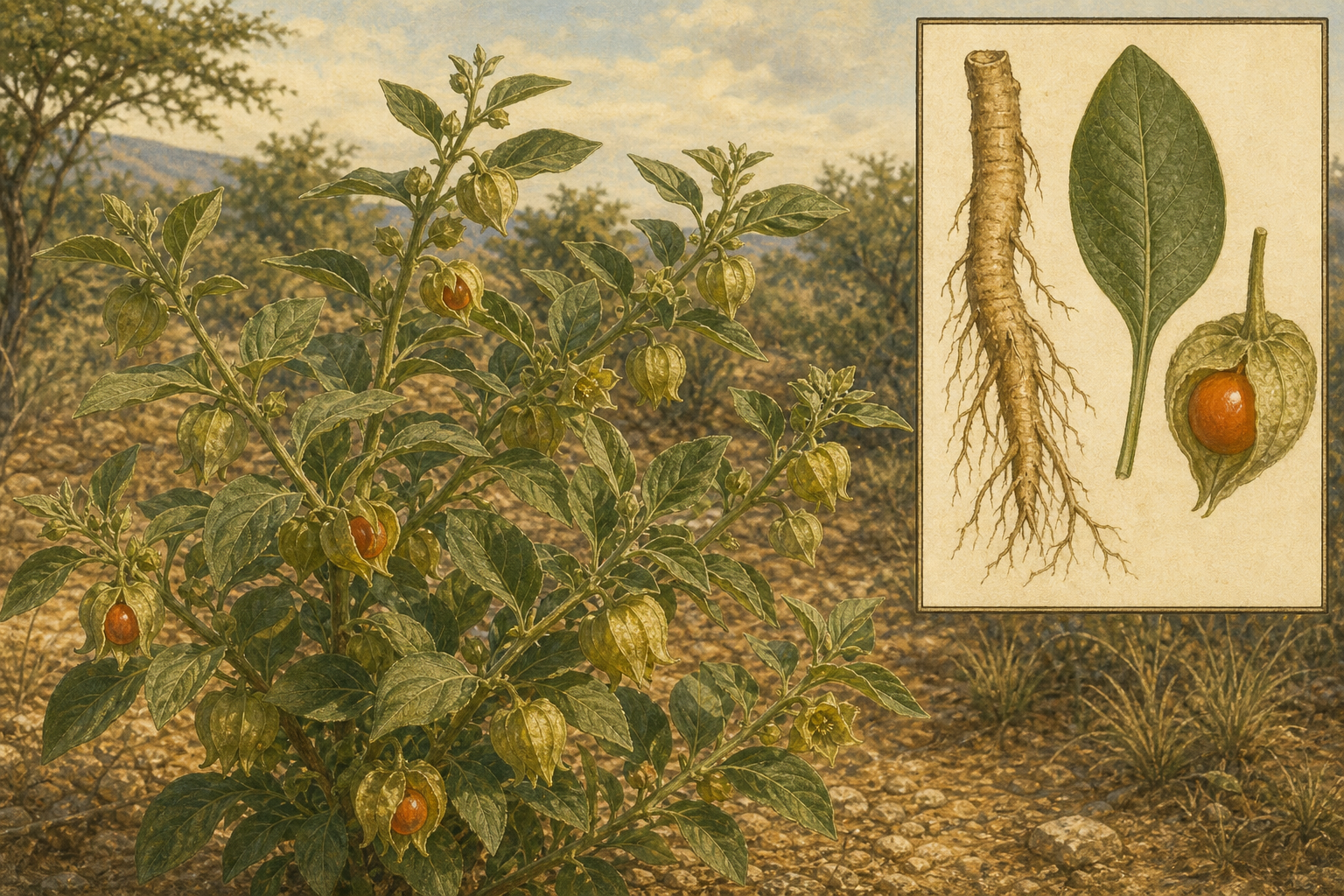
04
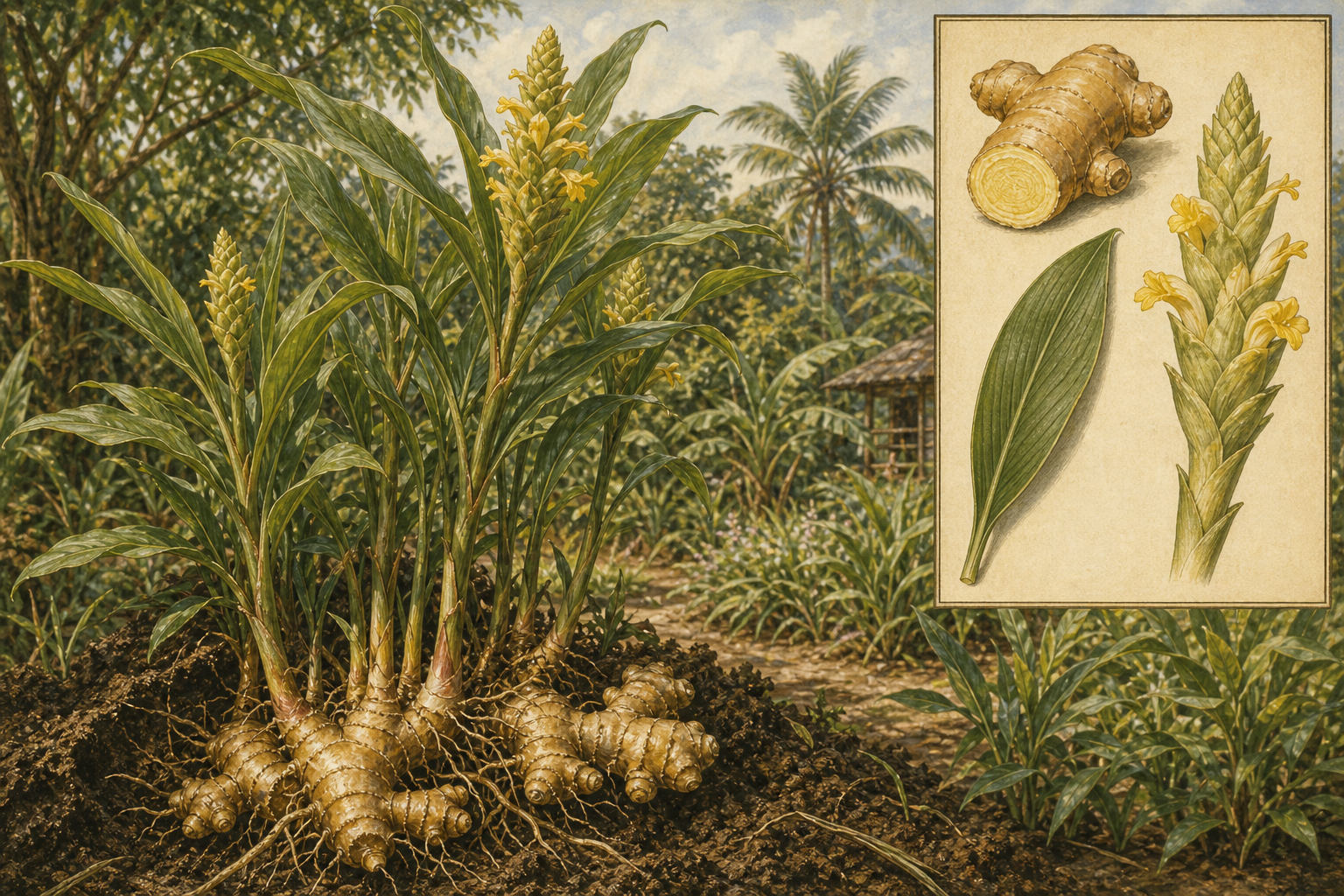
05

In 5 guides

In 5 guides

In 5 guides

In 4 guides

In 4 guides
Concern guides
Every guide is a drawer, sorted by the part of life it helps with. Pull one open to see the herbs inside and how strong the evidence is for each.
Mind and sleep
Digestion
Pain and inflammation
Women’s and men’s health
Everyday health
Mind and sleep
Gentle herbs that may help you unwind and sleep better, from ashwagandha to chamomile, with what the research shows.
Open the guide


Mind and sleep
Calming herbs that may help ease everyday stress and worry, with what the research shows and how to use them safely.
Open the guide


Mind and sleep
Herbs that may support mild low mood, from St. John’s wort and saffron to lemon balm, with what the research shows and how to stay safe.
Open the guide


Mind and sleep
Herbs that may support memory and focus, from bacopa’s encouraging trials to time-honored sage and rosemary.
Open the guideMind and sleep
What research shows about herbs for ADHD, from saffron and ginkgo’s small trials to calming herbs, and how to use them safely.
Open the guide


Mind and sleep
Herbs that may help when you feel run down, from ginseng to rhodiola, with what the research shows and when to get checked.
Open the guide


Digestion
Herbs that may ease indigestion, gas and bloating, from peppermint to chamomile, with what the research shows.
Open the guide


Digestion
Soothing herbs traditionally used for heartburn and reflux, from DGL licorice to slippery elm, with what the research shows.
Open the guide


Digestion
Herbs that may ease IBS pain, bloating and bowel changes, from peppermint oil to chamomile, with what the research shows.
Open the guide


Digestion
Herbs that may help settle nausea, from ginger to lemon balm, with what the research shows and when to get help.
Open the guide


Digestion
Fiber and herbal laxatives for constipation, from psyllium and senna to flaxseed, with what the research shows and when to get help.
Open the guide


Digestion
Herbs traditionally used for liver health, from milk thistle to dandelion, what research shows, and which herbs to avoid.
Open the guide


Pain and inflammation
Feverfew, peppermint oil and other herbs that may ease headaches or help prevent migraine, with what research shows and when to get care.
Open the guide


Pain and inflammation
Herbs that may ease aching, stiff joints, from turmeric to capsaicin cream, with what the research shows for arthritis.
Open the guide


Pain and inflammation
Herbs that may ease an aching back and sore muscles, from capsicum plasters to willow bark, with what the research shows.
Open the guide
Pain and inflammation
Herbs that may help calm chronic inflammation, from boswellia to turmeric and ginger, with what the research shows.
Open the guide
Women’s and men’s health
Herbs many women try for hot flashes and night sweats, from black cohosh to sage, with what research shows and how to use them safely.
Open the guide


Women’s and men’s health
Herbs that may ease period cramps and PMS, from chasteberry to chamomile, with what the research shows.
Open the guide


Women’s and men’s health
Herbs that may support desire and sexual health, from ginseng to maca, with what the research shows.
Open the guide


Women’s and men’s health
Cranberry for repeat UTIs, plus herbs for urine flow and prostate symptoms, with what the research shows and when to see a doctor.
Open the guide


Everyday health
Herbs traditionally used through cold and flu season to soothe sore throats and coughs, what research shows, and when to see a doctor.
Open the guide


Everyday health
Soothing herbs for coughs and sore throats, from thyme to mullein, with what the research shows and when to get help.
Open the guide


Everyday health
Gentle herbs for minor burns, scrapes and irritated skin, from aloe and calendula to tea tree, with what the research shows.
Open the guide


Everyday health
Psyllium, horse chestnut, garlic, hawthorn and more as support for a heart-healthy lifestyle, with what research shows.
Open the guide


Everyday health
Horse chestnut, butcher’s broom and other herbs for heavy, aching, swollen legs, rated by evidence, with when to see a doctor.
Open the guide
Everyday health
Herbs that may support healthy blood sugar alongside medical care, from psyllium to cinnamon, with what the research shows.
Open the guide
Fresh from the field
The latest monographs to join the library, logged like entries in a field journal.
Browse all 110 herbs →
Turnera diffusa
Epimedium brevicornu
Eurycoma longifolia
Scutellaria lateriflora
Asparagus racemosus
Azadirachta indica
Every herb gets the same careful treatment, so you can compare one plant with the next: where it comes from, how it works, how people use it, and who should leave it alone.
01
Who used it, and what the aspirin-from-willow story actually means.
02
Named constituents without pretending milligrams of bark equal a drug.
03
Tradition beside the size of the evidence, including empty claims.
04
Who should not take it, and which medicines do not mix.